🔥 Featured Dishes

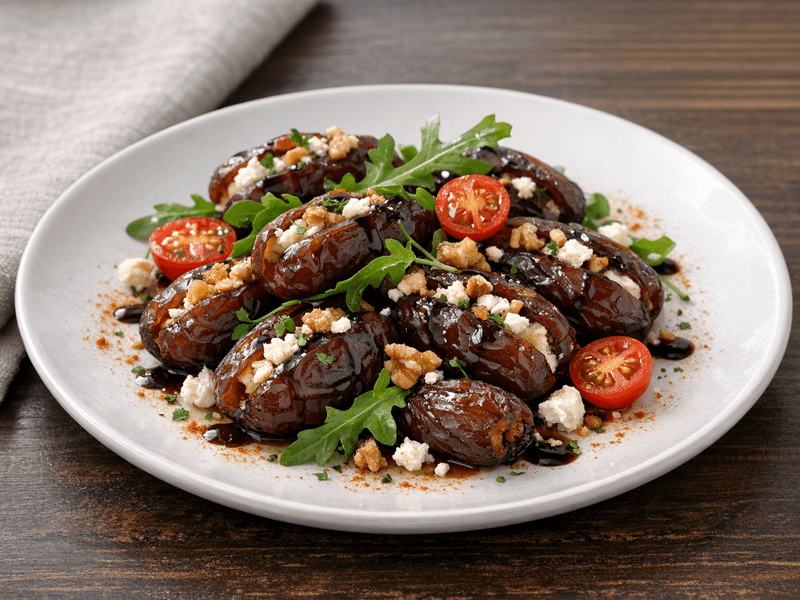
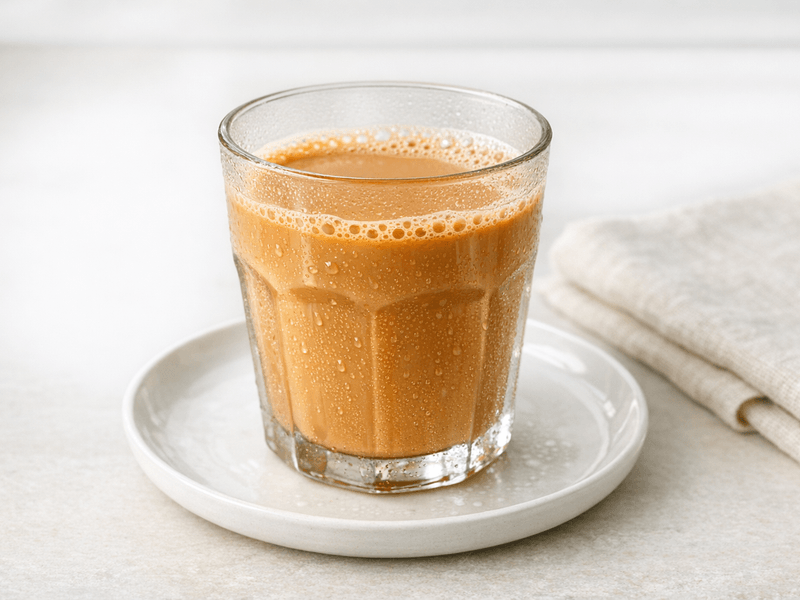
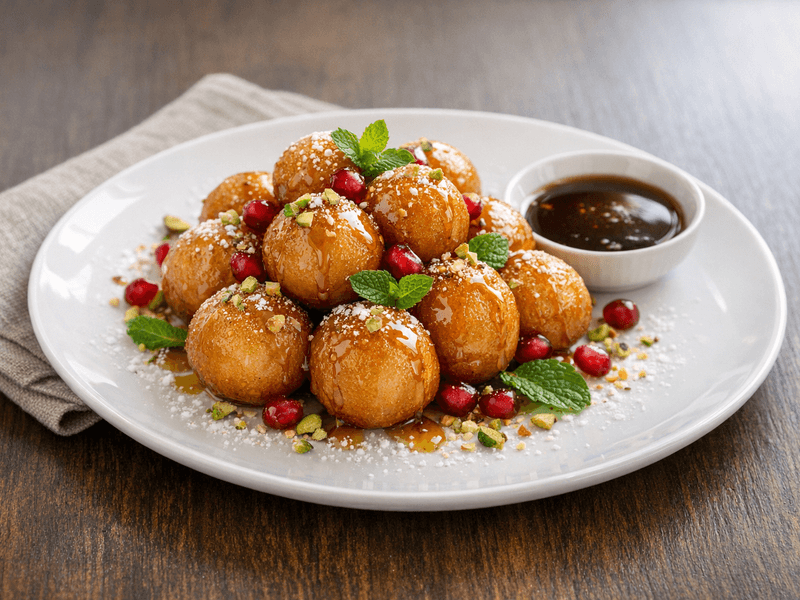

The First Thing Qatar Offers You
Step into a Qatari home, a majlis, a government office, or even a luxury hotel lobby in Doha, and within minutes the same two things appear: a small handleless cup of pale, fragrant coffee, and a dish of glossy dates. This is gahwa (قهوة) — Arabic coffee — and it is far more than a drink. It is the opening line of every conversation, the universal gesture of welcome, and the single most important ritual in Qatari hospitality.
Across the Gulf, the serving of gahwa and dates is so culturally weighted that in 2015 UNESCO inscribed Arabic coffee on its Representative List of the Intangible Cultural Heritage of Humanity, recognising it as "an important aspect of hospitality in Arab societies." In Qatar, refusing the cup outright can read as a quiet refusal of the host's welcome — so it pays to understand what is being offered and how to receive it gracefully.
This guide walks through the whole ritual: the coffee itself, the brass dallah pot and tiny finjan cup, the spices that make Gulf gahwa unmistakable, the etiquette of pouring and the famous cup-shake, why dates always come alongside, and the majlis setting that frames it all.
What Gahwa Actually Is
The Dallah & the Finjan: Tools of the Ritual
The Etiquette: Pouring, Receiving & the Shake
Why Dates Always Come With the Coffee
The Majlis: Where the Welcome Happens
Frequently Asked Questions
What is gahwa (Arabic coffee) in Qatar?
What is the dallah and the finjan?
How do I politely signal I have had enough Arabic coffee?
Why are dates served with Arabic coffee?
Is it rude to refuse Arabic coffee in Qatar?
What spices are in Qatari gahwa?
Is Arabic coffee with dates healthy or fattening?
What is a majlis?
More Articles
Karak Chai: Qatar's National Obsession
Sweet, spiced, milky and impossibly addictive — karak chai is the unofficial national drink of Qatar. The story of the roadside stall, the drive-thru ritual, its South-Asian roots, and how many calories are really in that paper cup.
guideRamadan in Qatar: Iftar, Suhoor & Food Traditions
How Qatar eats through the holy month — breaking the fast with dates and water, the iftar table of harees, thareed, soups and samboosa, late-night suhoor, the children's feast of Garangao, the great Ramadan tents, and how to fast without losing your nutrition goals.
guideThe Qatari Majlis: Food, Generosity & Dining Etiquette
Inside the majlis مجلس — the heart of Qatari hospitality. How communal floor dining works, why you eat with your right hand, the ritual of gahwa and dates, and the unwritten rules for honouring a guest in Qatar.