🔥 Featured Dishes
The Rhythm of the Holy Month
For roughly thirty days each year, Qatar shifts onto a different clock. From the first light of fajr to the call of the maghrib prayer at sunset, observant Muslims abstain from food, drink, and smoking. Then, in a single shared moment across the whole country — heard from minarets, felt at every table — the fast breaks. Ramadan (رمضان) in Qatar is not only an act of worship; it is the year's most intense season of cooking, hospitality, and togetherness.
What makes the Qatari Ramadan table so distinctive is its layering. At its heart sit the deep Gulf traditions — harees, thareed, balaleet — dishes that predate oil, air-conditioning, and the Doha skyline. Around them gather the foods brought by the people who now call Qatar home: Levantine fattoush and qatayef, South Asian biryani and haleem, Egyptian umm ali. In a country where the majority of residents are expatriates, the iftar (إفطار) spread has become a quiet portrait of the whole society.
This guide walks through the month as it is actually eaten in Qatar: the ritual first sip of water and bite of a date, the soups and savouries of the iftar, the slow social hours that follow, the pre-dawn suhoor, the children's night of Garangao, and the great fabric tents where strangers eat shoulder to shoulder. We close with practical, non-preachy advice on how to fast and feast without abandoning your health goals — because a long evening of fried samboosa and syrup-soaked sweets adds up fast.
Breaking the Fast: Dates & Water First
Iftar in Qatar almost never begins with a plate. It begins with a date (تمر, tamr) and a glass of water, following the Prophetic tradition of breaking the fast on dates. After fifteen or more hours without food, this is more than custom — it is good physiology. Dates deliver fast-absorbing natural sugars to a depleted body, and the water rehydrates before the heavier food arrives.
Qatari households take their dates seriously. You will see plump khalas and khenaizi varieties, dates stuffed with almonds or walnuts, and dates served alongside small cups of bitter, cardamom-scented Arabic coffee (gahwa). Many people pair the dates with laban — a salted, slightly sour drinking yoghurt that settles the stomach and is a Gulf Ramadan staple in its own right.
After the dates, the table opens up. A short prayer is performed at maghrib, and then the household returns to eat properly. This two-stage rhythm — a light, sweet opening, a pause, then the meal — is one of the kindest things you can do for your digestion during fasting.
- Dates: the traditional opener — natural sugars, potassium and fibre. Two or three are plenty.
- Water: sip rather than gulp; the goal is steady rehydration, not a flooded stomach.
- Laban or lemon-mint juice: a cooling, lightly tart drink to follow the dates.
The Iftar Table: Harees, Thareed, Soups & Samboosa
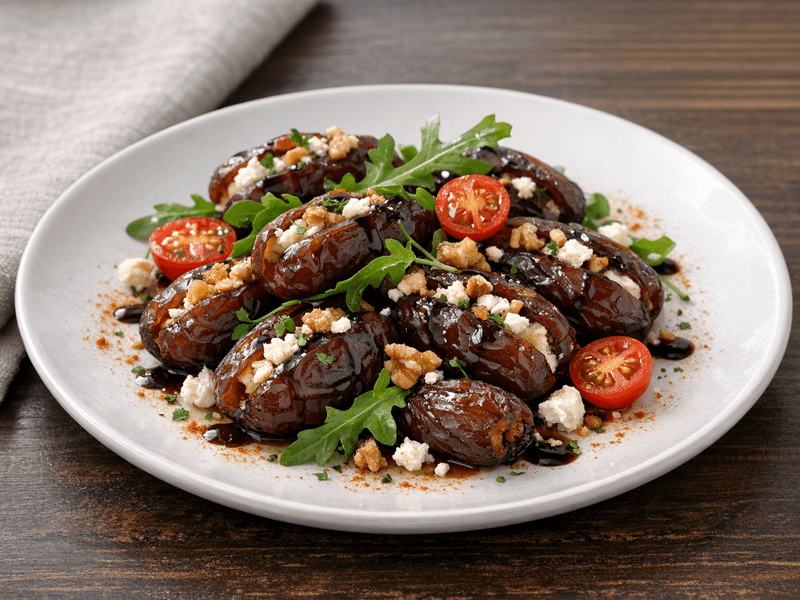
Dates
282 kcalramadan-qatar
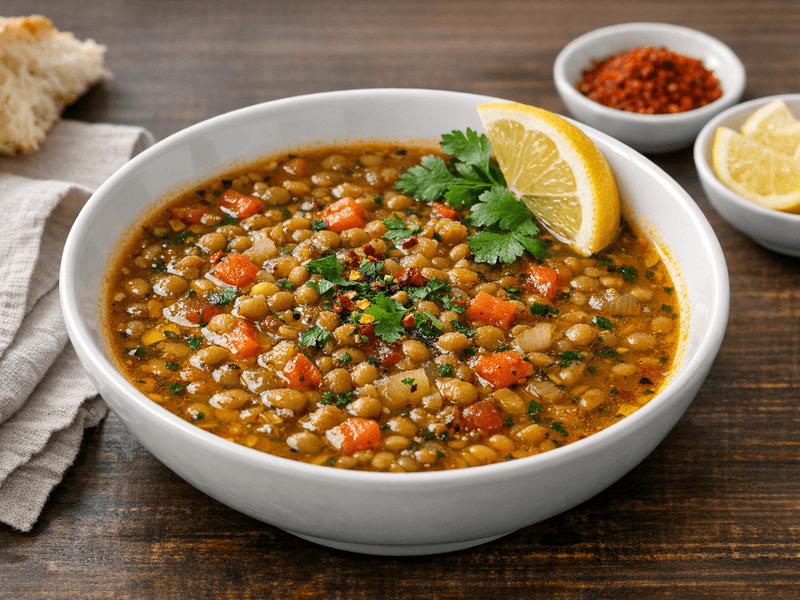
Lentil Soup
95 kcalramadan-qatar
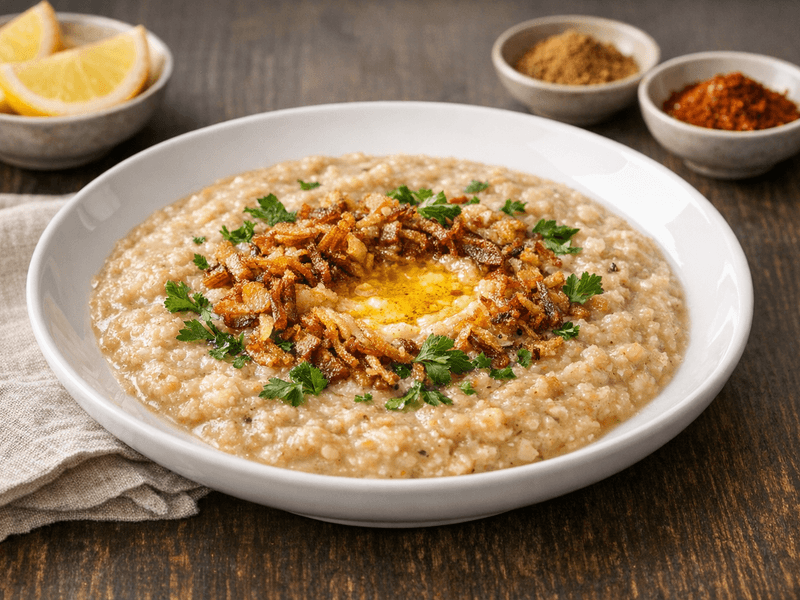
Harees
145 kcalqatari
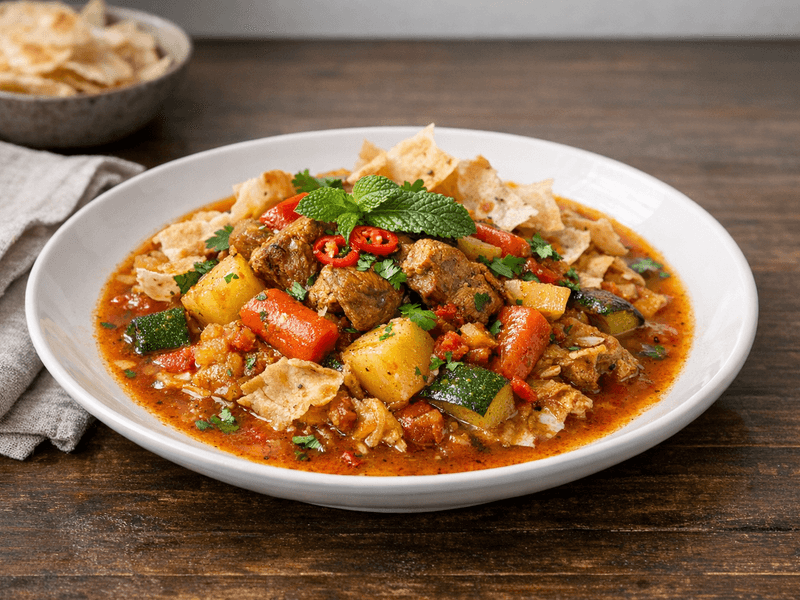
Thareed
155 kcalqatari
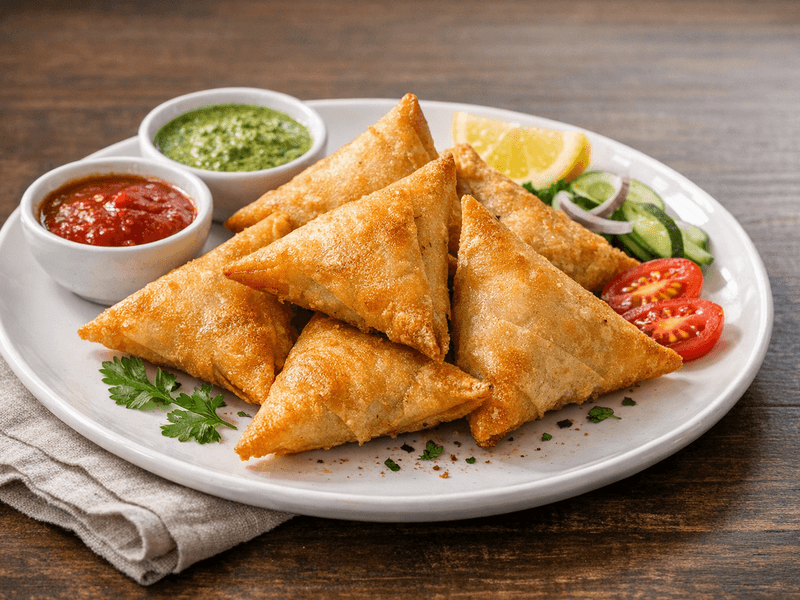
Chicken Samboosa
310 kcalramadan-qatar
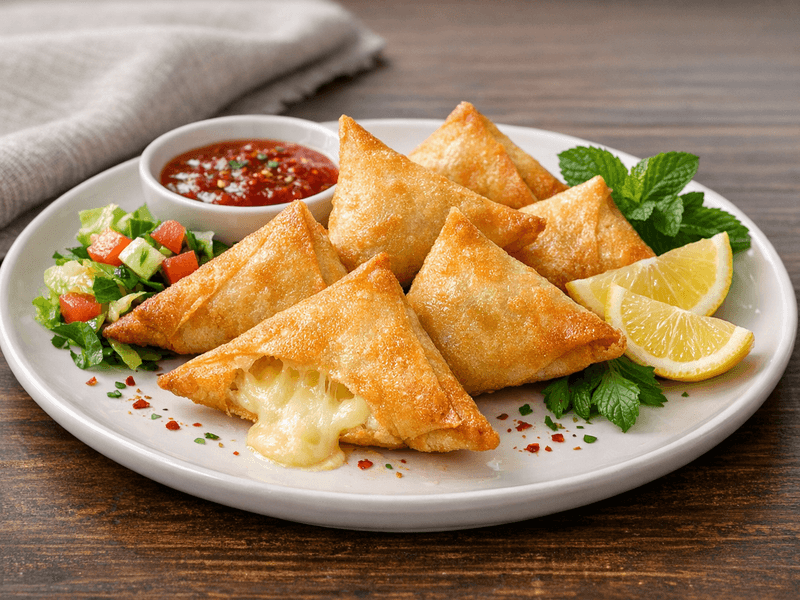
Cheese Samboosa
290 kcalramadan-qatar
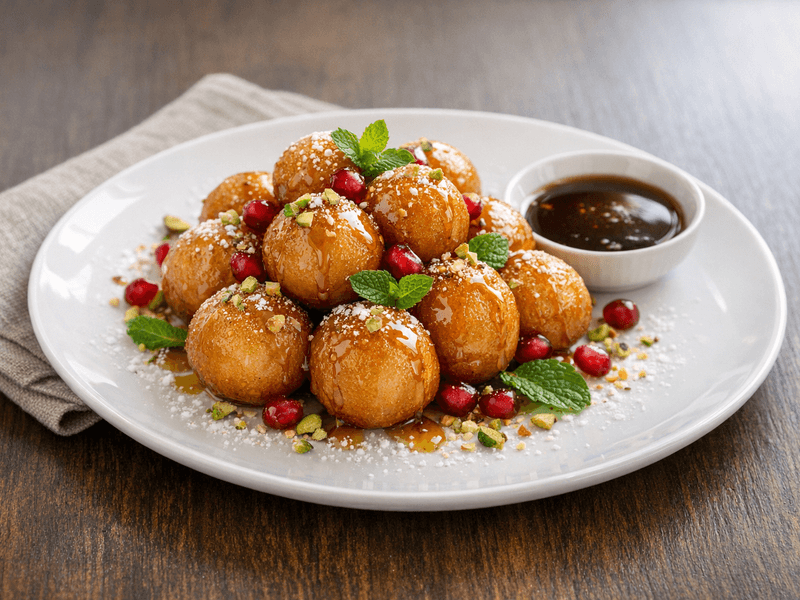
Luqaimat
340 kcalsweets-drinks-qatar
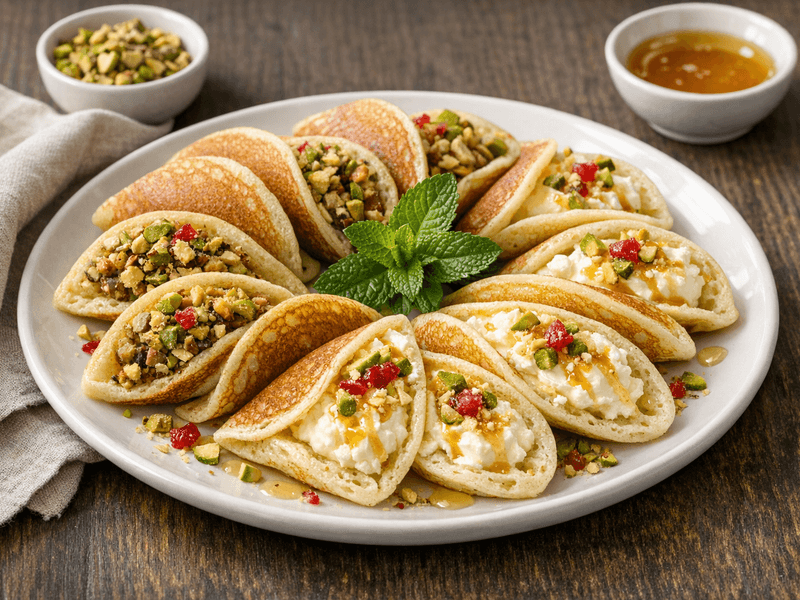
Qatayef
290 kcalramadan-qatar
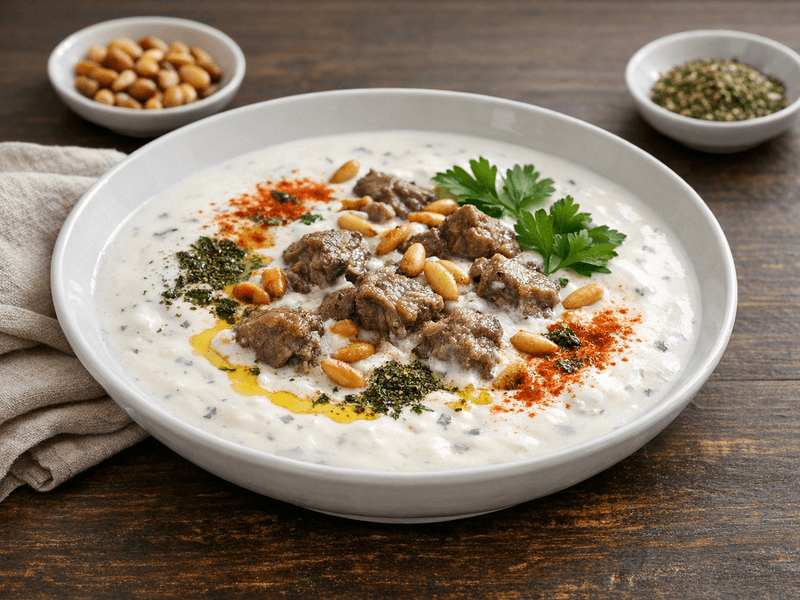
Laban
60 kcalramadan-qatar
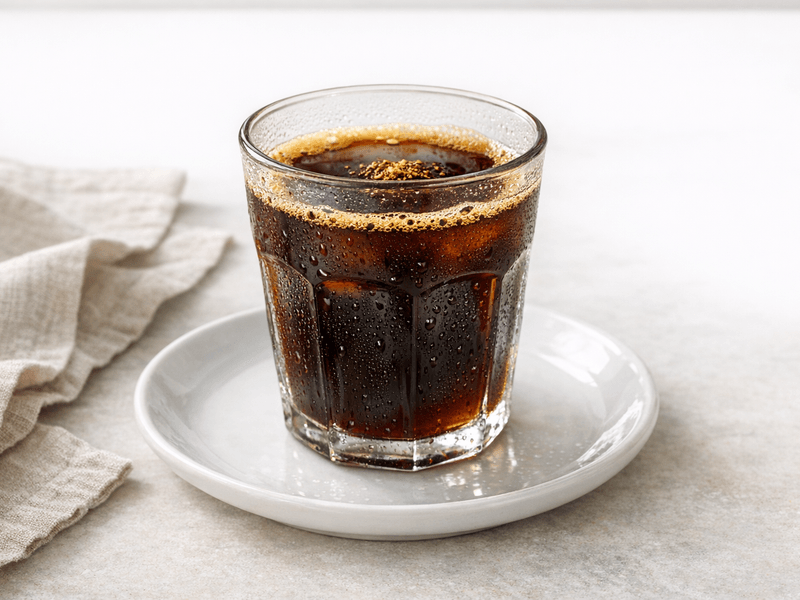
Arabic Coffee
5 kcalsweets-drinks-qatar
Sweet Endings: Luqaimat, Qatayef & the Tea Hours
Ramadan in Qatar has the sweetest tooth of the whole calendar, and two desserts rule the season. The first is luqaimat (لقيمات) — small balls of yeasted dough fried until golden and crisp, then drowned in date syrup (dibs) or sugar syrup and often dusted with sesame. Light and hollow inside, they are made to be eaten by the handful with cardamom coffee, and the smell of frying luqaimat is one of the defining scents of a Qatari Ramadan evening.
The second is qatayef (قطايف) — a folded pancake stuffed with sweet cheese or crushed nuts, then either fried or served fresh, finished with syrup. Qatayef is so tied to the holy month that street vendors and bakeries sell the unfilled pancakes by the dozen specifically for Ramadan. Beyond these, you will meet syrup-soaked kunafa, the creamy Egyptian bread pudding umm ali, and trays of baklava from the Turkish and Levantine bakeries.
The hours after iftar are slow and social. Families and friends move to the majlis for endless rounds of karak chai — the milky, cardamom-spiced tea that is Qatar's national obsession — and tiny cups of bitter Arabic coffee with more dates. This is the heart of Ramadan sociability: not the rush of the meal, but the long, unhurried tea hours that follow it.
Suhoor: The Pre-Dawn Meal
Long after iftar, in the quiet hours before dawn, comes suhoor (سحور) — the meal that has to carry a fasting person through the entire next day. Where iftar is festive and indulgent, suhoor is strategic. The aim is slow-release energy and good hydration, not a feast.
Traditional Qatari and regional suhoor tables lean on foods that sustain: balaleet (sweet vermicelli with a savoury omelette), khubz bread with cheese, labneh, eggs and olives, foul (stewed fava beans), and plenty of laban and water. South Asian households often turn to paratha, eggs and chai. Across all of them, the smart suhoor follows the same logic — protein, complex carbohydrates, and fluids, with salty and very sweet foods kept modest so thirst does not strike midway through the fasting day.
- Slow carbs: oats, khubz, paratha, balaleet vermicelli — they release energy through the morning.
- Protein: eggs, labneh, cheese, foul beans — these keep hunger at bay for longer.
- Hydration: water and laban; go easy on caffeine and very salty foods that dehydrate.
- Fruit & fibre: a few dates or fresh fruit to keep things moving.
In modern Doha, suhoor has also become a going-out occasion in its own right — hotels and restaurants serve late-night suhoor buffets that run until just before fajr, blending tradition with the city's restaurant culture.
Garangao: A Children's Feast of Sweets
Halfway through Ramadan, on the night of the fourteenth, Qatar holds one of its most cherished and joyful traditions: Garangao (قرنقعوه, also spelt Gargee'an). Children dress in traditional clothes — boys in thobes, girls in brightly embroidered dresses called darraa — and move from house to house through the neighbourhood, singing a familiar Garangao song and collecting nuts and sweets in cloth bags.
The bags fill up with mixed nuts, chickpeas, dried fruit and an assortment of colourful sweets. It is a celebration of childhood, generosity and community spirit, and it teaches children the rhythms of the holy month in the happiest possible way. In recent years Garangao has grown into a public event too, with malls, museums and Katara cultural village hosting large family gatherings — but at its core it remains a warm, door-to-door neighbourhood tradition, the Gulf's own treasured night of sharing sweets.
Ramadan Tents & the Spirit of the Majlis
Come Ramadan, large fabric Ramadan tents rise across Doha — at hotels, by the Corniche, and within the city's grand venues. Decorated with lanterns (fawanees), carpets and low majlis seating, these tents are where the public side of Ramadan hospitality plays out. They host lavish iftar and suhoor buffets, shisha and tea late into the night, and live oud music, drawing families, friends and visitors together.
The tents echo a much older value at the centre of Qatari life: the majlis and its code of open-handed hospitality. Throughout the month, mosques and charitable organisations set up free iftar tents and distribute thousands of meals each evening to workers and anyone in need — feeding others during Ramadan is considered an act of great virtue. So the same instinct runs from the humblest charity tent to the most opulent hotel marquee: in Ramadan, no one should break their fast alone, and there should always be a place at the table.
Calorie-Aware Fasting: Feasting Without the Crash
It surprises many first-timers, but people frequently gain weight during Ramadan rather than lose it. The reason is simple: a single evening can carry a whole day's calories and then some — fried samboosa, syrup-drenched luqaimat, rich machboos, sweet karak after sweet karak. The fast is virtuous; the after-fast can quietly undo it. Here is how to honour the tradition and still keep your nutrition on track.
- Break gently, then pause. Two or three dates, water, and a bowl of lentil soup. Wait for maghrib prayer before the main meal — the pause stops you over-eating on an empty stomach.
- Mind the fried count. Samboosa and luqaimat are the season's calorie heavyweights. Bake a batch instead of frying, or simply count them — three samboosa is a portion, not a warm-up.
- Lead with the traditional warm foods. Harees, thareed and soup are filling and relatively gentle; they crowd out room for endless fried snacks.
- Hydrate across the night, not all at once. Spread water between iftar and suhoor. Go easy on very sweet juices and on the sheer volume of sugary karak.
- Make suhoor work for you. Protein and slow carbs at suhoor — eggs, labneh, balaleet, oats — keep you fuller and steadier through the next day's fast.
- Enjoy the sweets, on purpose. Choose your favourite — a couple of luqaimat or one piece of qatayef — rather than grazing the whole dessert tray.
- Track it. Snap a photo of your iftar plate with QatarCalorie and we will estimate the calories and macros, so a month of feasting does not become a guessing game.
Ramadan in Qatar is ultimately about people, patience and generosity — and the food is how all three are expressed. Eat the harees, dunk the thareed, savour the luqaimat with your coffee. A little awareness simply means you arrive at Eid feeling as good as the month was meant to make you feel.
Frequently Asked Questions
How do Muslims in Qatar break their fast during Ramadan?
What are the most popular iftar dishes in Qatar?
What is the difference between iftar and suhoor?
What is Garangao in Qatar?
What are luqaimat and qatayef?
What are Ramadan tents in Doha?
Why do people gain weight during Ramadan, and how can I avoid it?
What do people drink at iftar in Qatar?
More Articles
Gahwa & Dates: The Heart of Qatari Hospitality
Arabic coffee and dates are the first thing a Qatari host offers — and the last thing you should refuse. A guide to gahwa, the dallah and finjan, cardamom and saffron, the pour-and-shake ritual, and the majlis welcome.
guideQatari Sweets & Desserts: Luqaimat, Sago & Beyond
A guide to Qatar's sweet table — golden luqaimat drenched in date syrup, silky sago pudding, fragrant mahalabia, esh asaraya, balaleet and kunafa — and roughly how many calories each carries.
guideEid & Celebration Feasts in Qatar
How Qatari families feast on Eid al-Fitr, Eid al-Adha and at weddings — from whole-roast ghuzi over spiced rice to celebratory machboos, harees and tables groaning with luqaimat, kunafa and dates.