🔥 Featured Dishes
The Sweet Side of the Gulf
If Qatari savoury cooking is all slow-simmered rice and spice, the sweets are where the Gulf shows its softer, more fragrant hand. A traditional Qatari dessert table — laid out after a family lunch, at the close of an iftar, or alongside a tray of gahwa (قهوة) and dates for guests — is built on three quiet superstars: dates, rosewater (ماء الورد) and saffron (زعفران). You will taste them again and again, in different costumes, across almost every sweet in this guide.
What you will not find is the wall of refined sugar that defines many Western desserts. Qatari sweets lean on date syrup (dibs, دبس), warm spices like cardamom, and floral waters to do the heavy lifting. The result is a style of dessert that is rich and aromatic rather than tooth-achingly sweet — though, as the calorie notes below make clear, "fragrant" is not the same as "light."
This is QatarCalorie's tour of the classics: the dumplings, puddings, custards and pastries that anchor Qatari hospitality. We'll cover where each one comes from, how it's built, and a rough calorie range so you can enjoy them with your eyes open.
Luqaimat (لقيمات) — The Crown Jewel of Qatari Sweets
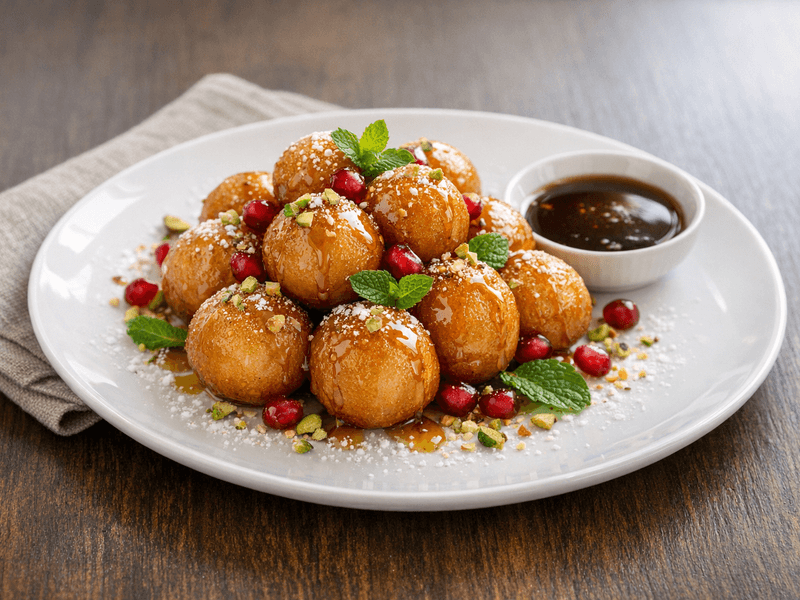
Luqaimat
340 kcalsweets-drinks-qatar
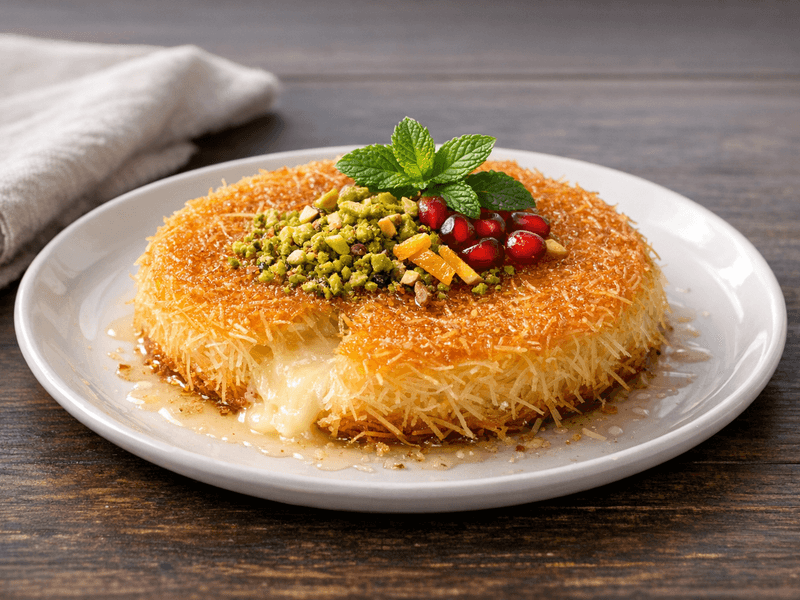
Kunafa
330 kcalsweets-drinks-qatar
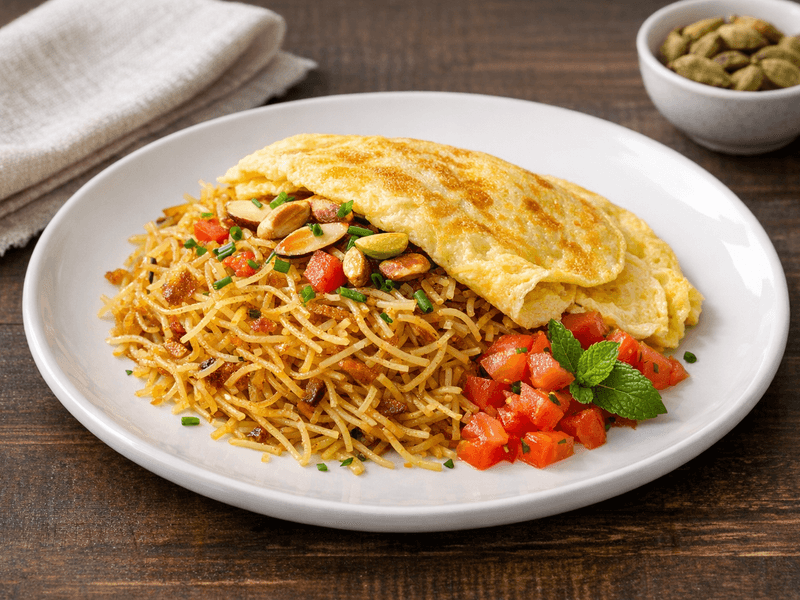
Balaleet
235 kcalqatari
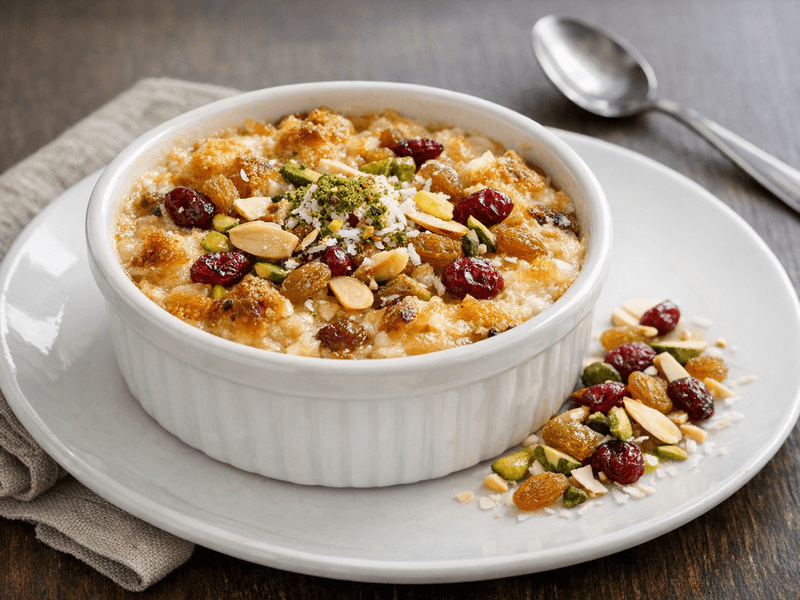
Umm Ali
260 kcalsweets-drinks-qatar
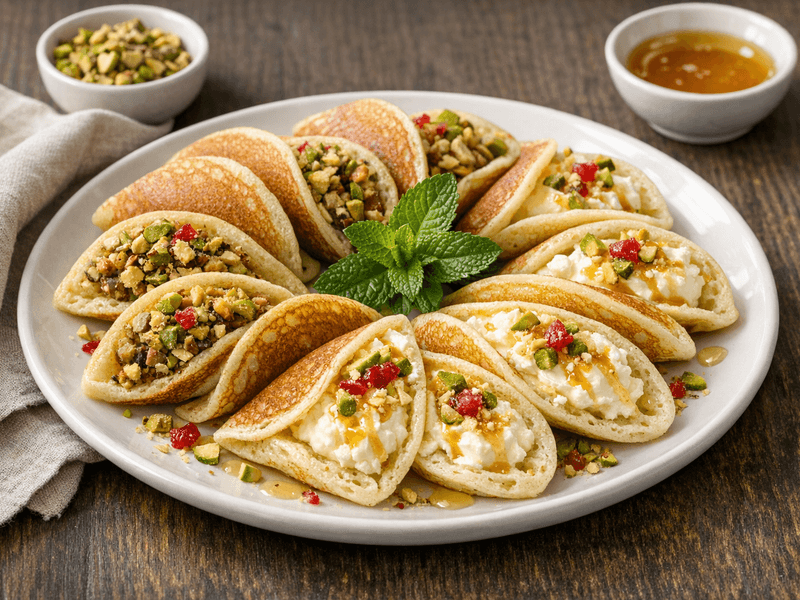
Qatayef
290 kcalramadan-qatar
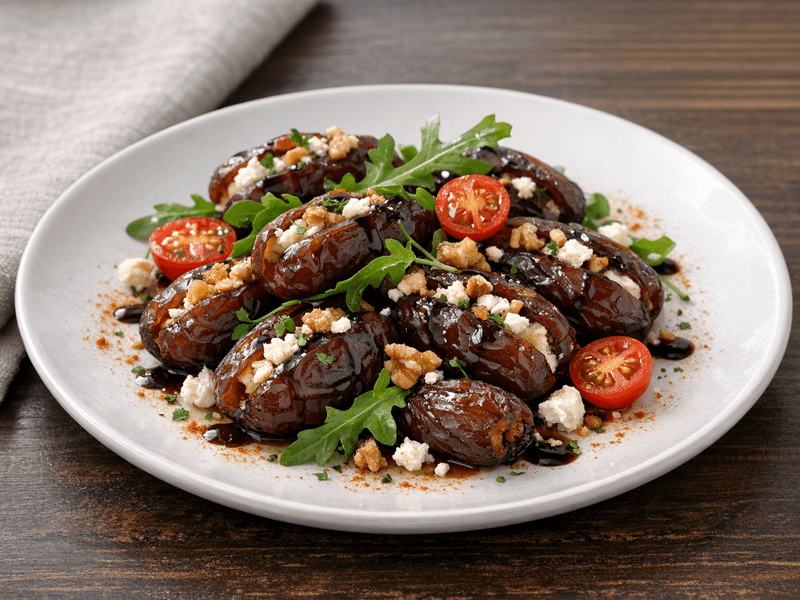
Dates
282 kcalramadan-qatar
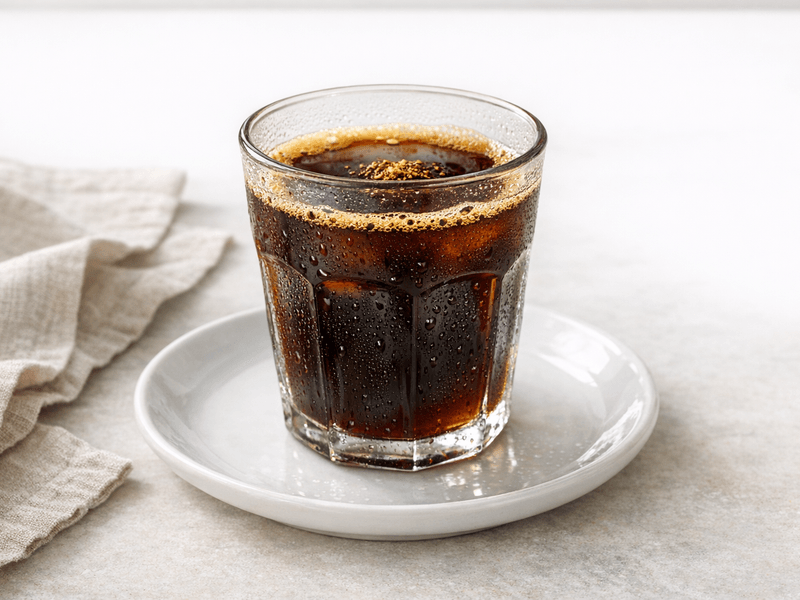
Arabic Coffee
5 kcalsweets-drinks-qatar
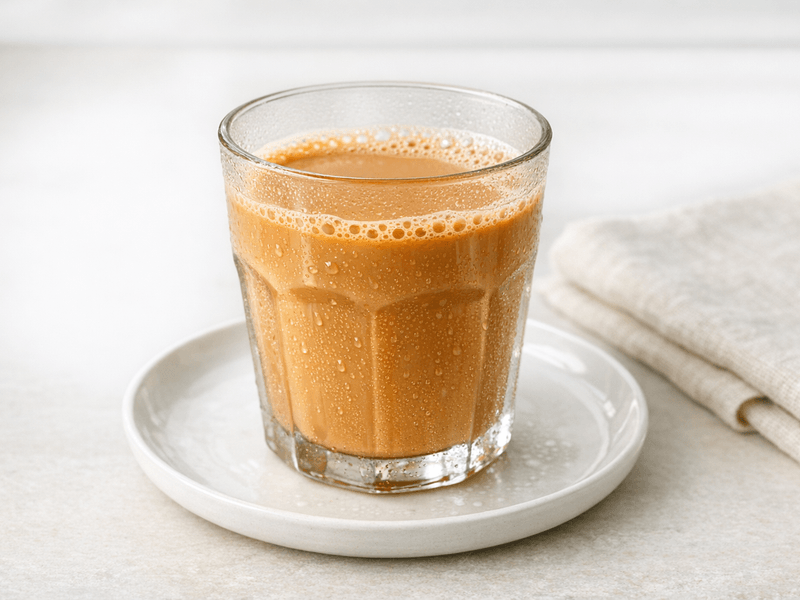
Karak Chai
60 kcalsweets-drinks-qatar
Sago Pudding & Mahalabia — The Silky, Spoonable Side
Luqaimat
340 kcalsweets-drinks-qatar
Kunafa
330 kcalsweets-drinks-qatar
Balaleet
235 kcalqatari
Umm Ali
260 kcalsweets-drinks-qatar
Qatayef
290 kcalramadan-qatar
Dates
282 kcalramadan-qatar
Arabic Coffee
5 kcalsweets-drinks-qatar
Karak Chai
60 kcalsweets-drinks-qatar
Esh Asaraya & Kunafa — The Indulgent Pastries
Luqaimat
340 kcalsweets-drinks-qatar
Kunafa
330 kcalsweets-drinks-qatar
Balaleet
235 kcalqatari
Umm Ali
260 kcalsweets-drinks-qatar
Qatayef
290 kcalramadan-qatar
Dates
282 kcalramadan-qatar
Arabic Coffee
5 kcalsweets-drinks-qatar
Karak Chai
60 kcalsweets-drinks-qatar
Balaleet (بلاليط) — The Sweet-Savoury Breakfast Crossover
Luqaimat
340 kcalsweets-drinks-qatar
Kunafa
330 kcalsweets-drinks-qatar
Balaleet
235 kcalqatari
Umm Ali
260 kcalsweets-drinks-qatar
Qatayef
290 kcalramadan-qatar
Dates
282 kcalramadan-qatar
Arabic Coffee
5 kcalsweets-drinks-qatar
Karak Chai
60 kcalsweets-drinks-qatar
Dates, Rosewater & Saffron — The Flavours Underneath It All
Luqaimat
340 kcalsweets-drinks-qatar
Kunafa
330 kcalsweets-drinks-qatar
Balaleet
235 kcalqatari
Umm Ali
260 kcalsweets-drinks-qatar
Qatayef
290 kcalramadan-qatar
Dates
282 kcalramadan-qatar
Arabic Coffee
5 kcalsweets-drinks-qatar
Karak Chai
60 kcalsweets-drinks-qatar
Frequently Asked Questions
What is the most famous Qatari dessert?
What is luqaimat made of?
What is the difference between sago pudding and mahalabia?
What is balaleet and is it a dessert or breakfast?
What is esh asaraya?
How many calories are in kunafa?
Why do Qatari sweets use rosewater, saffron and dates so much?
Which Qatari dessert is the lowest in calories?
More Articles
Gahwa & Dates: The Heart of Qatari Hospitality
Arabic coffee and dates are the first thing a Qatari host offers — and the last thing you should refuse. A guide to gahwa, the dallah and finjan, cardamom and saffron, the pour-and-shake ritual, and the majlis welcome.
guideRamadan in Qatar: Iftar, Suhoor & Food Traditions
How Qatar eats through the holy month — breaking the fast with dates and water, the iftar table of harees, thareed, soups and samboosa, late-night suhoor, the children's feast of Garangao, the great Ramadan tents, and how to fast without losing your nutrition goals.
guideSouq Waqif Food Guide: What to Eat in Doha's Old Market
A local's guide to eating at Souq Waqif (سوق واقف) — Doha's restored old market. Where to find authentic Qatari machboos, Levantine mezze, grilled meats, karak chai, and the best street snacks, plus the must-try dishes and practical tips.