🔥 Featured Dishes
Souq Waqif: Doha Eats Where the City Began
If you eat in only one place in Doha, make it Souq Waqif (سوق واقف, literally "the standing market"). For more than a century this was the spot where Bedouin and coastal traders bartered livestock, wool, fish and spices on the banks of the now-dry Wadi Musheireb. A sympathetic restoration in 2006 stripped away decades of concrete and rebuilt the souq in mud-rendered walls, exposed danchal timber beams and winding sand-coloured alleys — so what you walk through today looks much as it did in the early 20th century, but with the kitchens humming.
For a food lover, the souq is the single best crash course in how Qatar actually eats. Within a few hundred metres you can sit down to a heaped platter of Qatari machboos, graze a Levantine mezze table, tear into a Turkish grill, sip cardamom-scented Arabic coffee, and finish with hot luqaimat dumplings drizzled in date syrup. This guide walks you through the whole spread — the heritage restaurants, the street snacks, the regional eats, and the practical tips that make the difference between a tourist meal and a genuinely great one.
One thing to know before you go: the souq is at its best after sunset. Qatari days are hot, so the alleys come alive in the cool of the evening — families arrive late, the falcon souq and the live oud players draw crowds, and most restaurants serve until well past midnight.
Traditional Qatari Restaurants: Where to Find the Real Thing
The heart of any Souq Waqif food crawl is a proper Qatari meal. The most famous address is Shay Al Shoomos, a tiny heritage kitchen founded by a Qatari home cook (Shams) that became a local institution — expect a short menu of genuinely homestyle dishes and a queue worth joining. Al Aker, Parisa (Persian-leaning, under the famous mirrored ceiling) and the cluster of Gulf restaurants along the main spine round out the choice.
What you are looking for on the menu:
- Machboos (مكبوس) — Qatar's national dish and the one thing you must order. Spiced basmati rice cooked with chicken or lamb, dried lime (loomi), and a warm baharat blend, traditionally finished with a tangy tomato daqoos sauce on the side. It is rich, fragrant and built for sharing.
- Madrouba (مظروبة) — a comforting "beaten" porridge of rice and chicken cooked until creamy, a staple of Ramadan tables and cool evenings.
- Harees (هريس) — slow-cooked wheat and meat pounded to a smooth, savoury paste. Humble, ancient, and surprisingly addictive.
- Thareed (ثريد) — a stew of meat and vegetables ladled over torn rgag flatbread that soaks up the sauce.
- Ghuzi (غوزي) — whole roast lamb over spiced rice with nuts, the centrepiece of a Qatari feast.
- Saloona (صالونة) — a homely tomato-based stew of meat or fish and vegetables, the everyday counterpoint to the showy machboos.
Eating tip: Qatari mains are designed to be shared from a communal platter, often eaten with the right hand. Order one or two dishes between a few people and let the table graze — it is both the authentic way and the better-value one.
Street Snacks & Hot-Off-the-Pan Bites
Half the joy of Souq Waqif is eating on your feet. Wander the alleys with something hot in hand and you will pass stalls and hole-in-the-wall counters turning out the small stuff:
- Luqaimat (لقيمات) — golden, crisp-shelled dough fritters fried to order and drenched in date syrup (dibs) or honey, sometimes dusted with sesame. The definitive Souq Waqif sweet snack; follow the smell of frying dough.
- Samboosa (سمبوسة) — crisp triangular pastries stuffed with spiced meat, cheese or vegetables. A Ramadan icon you can find year-round here.
- Regag & chebab — paper-thin regag bread cooked on a hot plate and folded around cheese, egg or oman chips; chebab are saffron-and-cardamom mini pancakes, the Gulf's answer to a breakfast hotcake.
- Shawarma (شاورما) — the universal Doha snack. Chicken or beef shaved off the spit, rolled in Arabic bread with garlic toum, pickles and fries. Quick, cheap, and everywhere.
- Manakish (مناقيش) — flatbread baked with za'atar, cheese or minced meat, folded straight off the oven.
- Grilled corn & roasted nuts — evening stalls perfume the alleys; grab a paper cone and keep walking.
And to drink as you go: karak chai (كرك) — the sweet, milky, cardamom-spiced tea that is practically Qatar's national drink, pulled strong and served scalding from tiny stalls for just a couple of riyals. A fresh lemon-mint juice (limonana) is the other go-to in the heat.
Levantine & Gulf Eats: The Wider Souq Spread
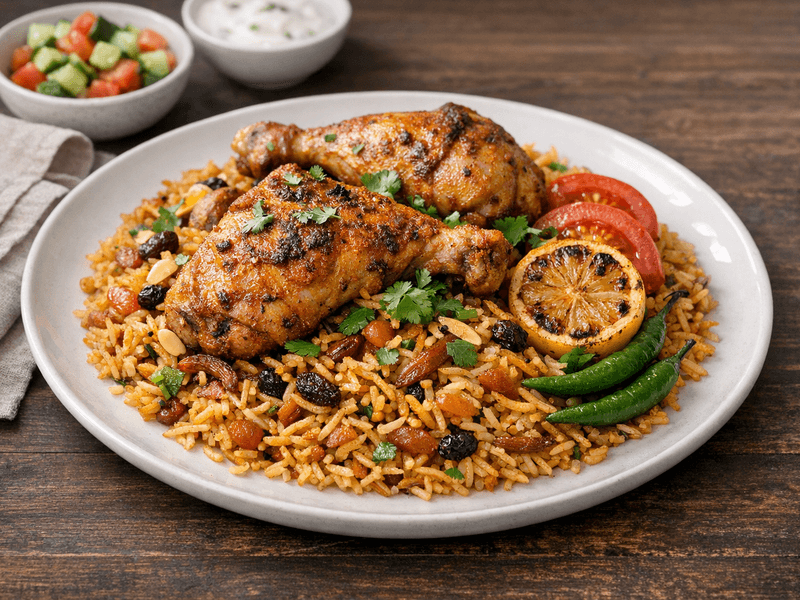
Chicken Machboos
185 kcalqatari
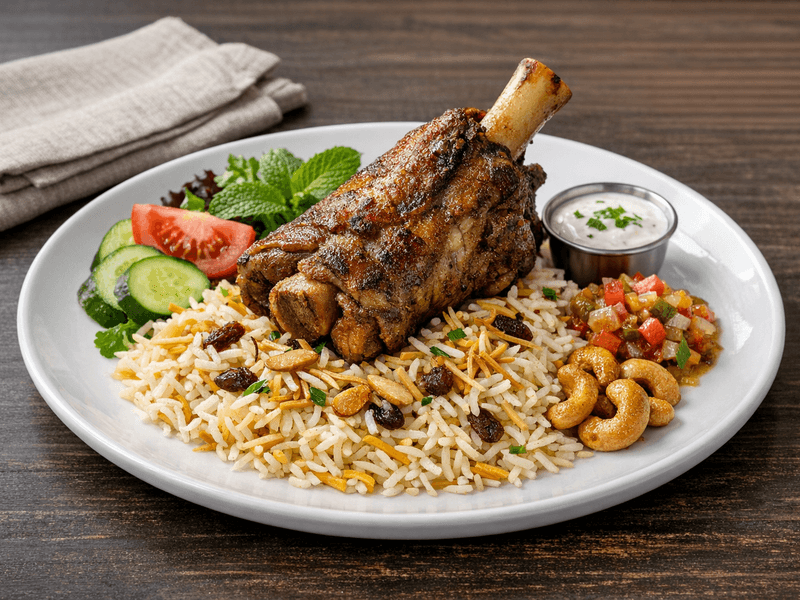
Ghuzi Lamb
230 kcalqatari
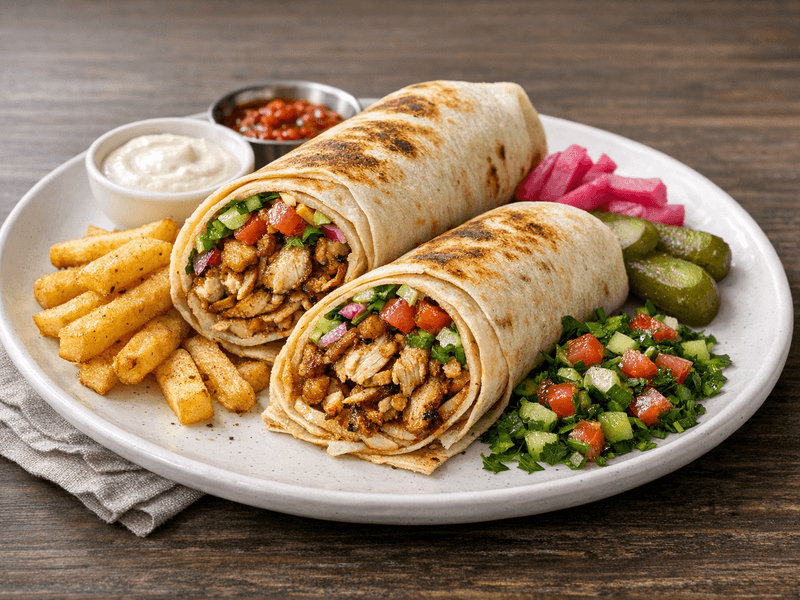
Chicken Shawarma Wrap
210 kcalqatar-restaurants
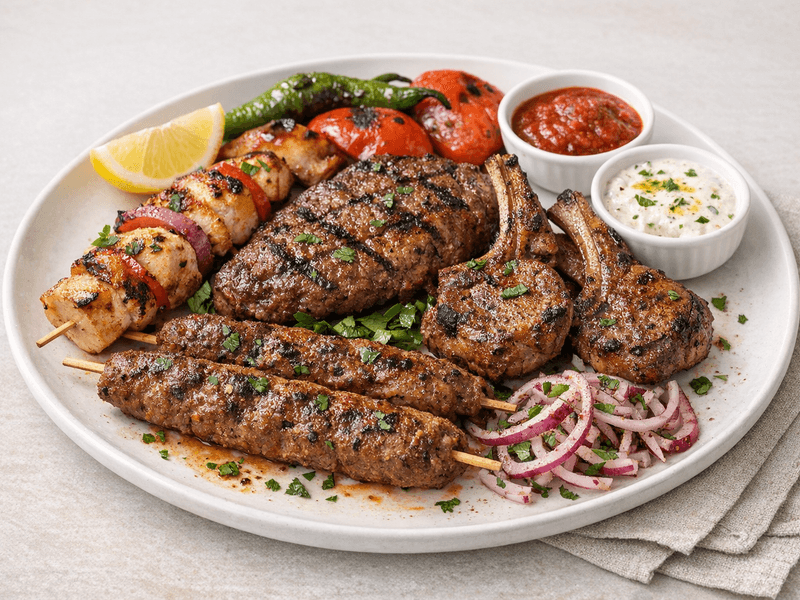
Mixed Grill Platter
250 kcalqatar-restaurants
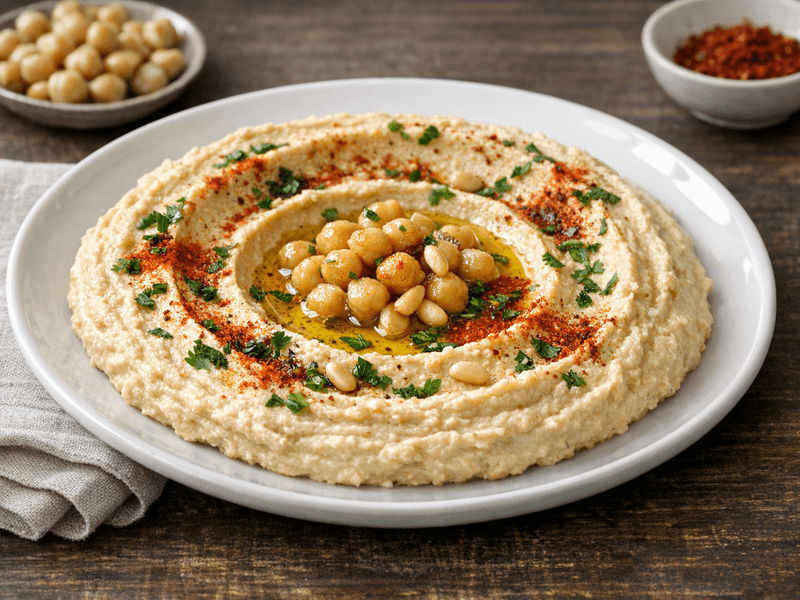
Hummus
165 kcallevantine-qatar
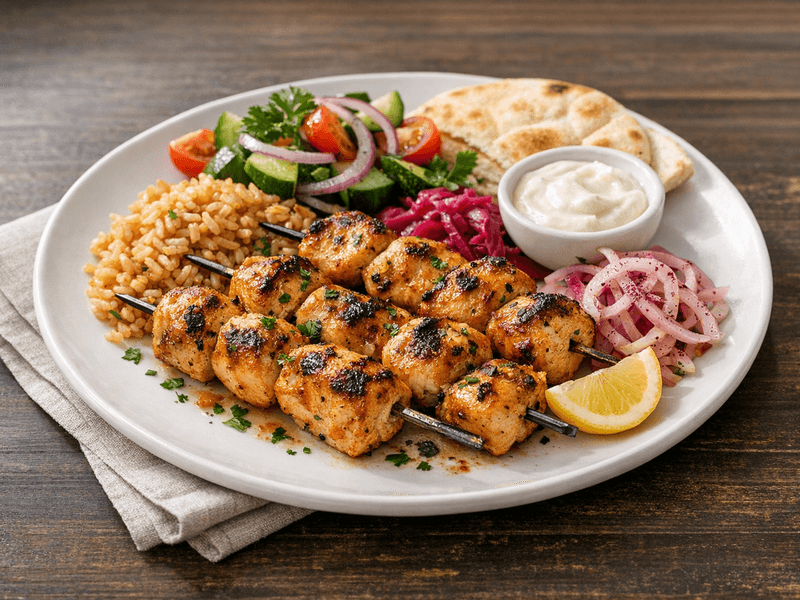
Shish Tawook
165 kcallevantine-qatar
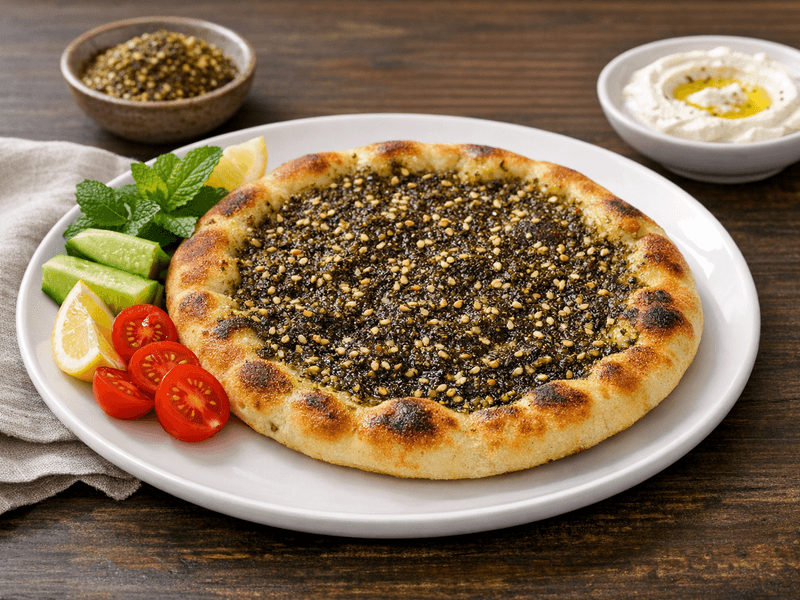
Manakish Zaatar
285 kcallevantine-qatar
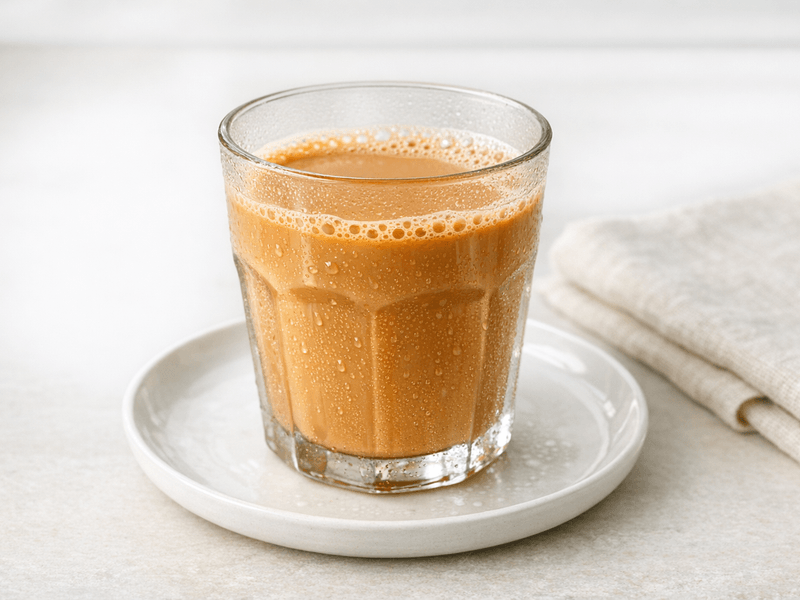
Karak Chai
60 kcalsweets-drinks-qatar
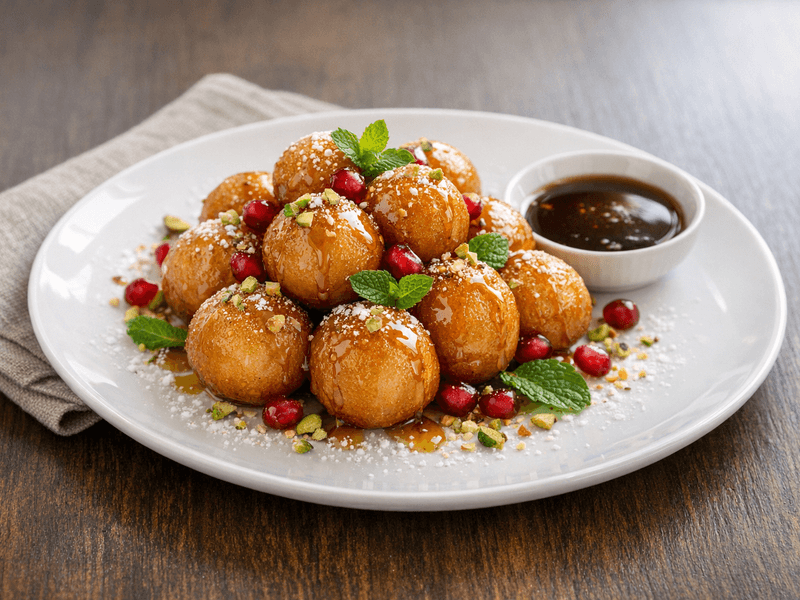
Luqaimat
340 kcalsweets-drinks-qatar
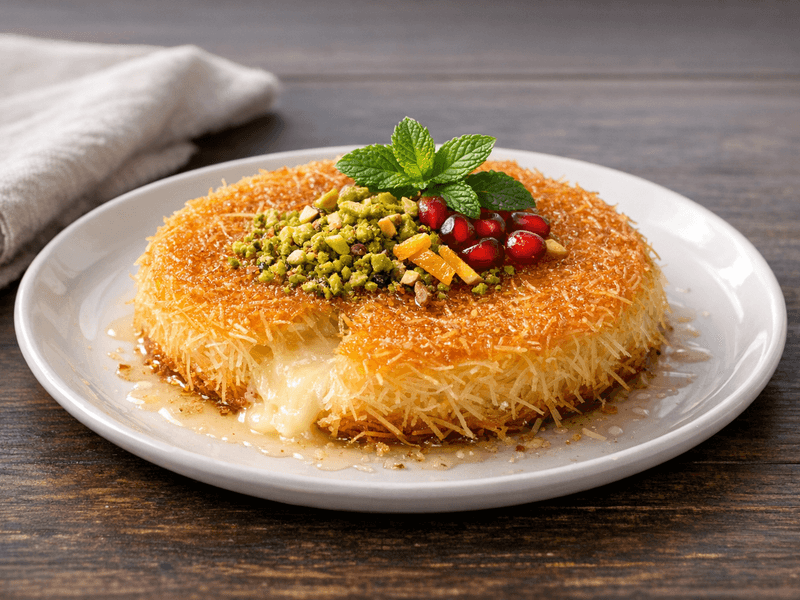
Kunafa
330 kcalsweets-drinks-qatar
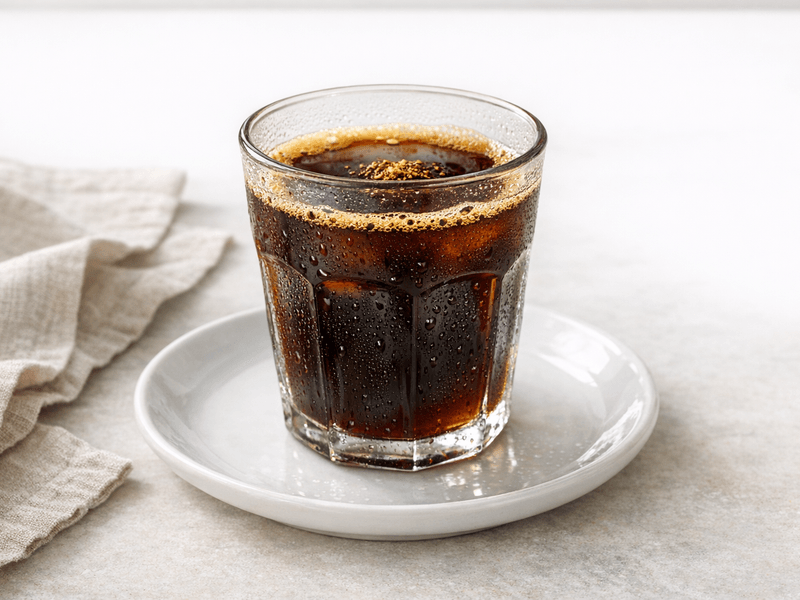
Arabic Coffee
5 kcalsweets-drinks-qatar
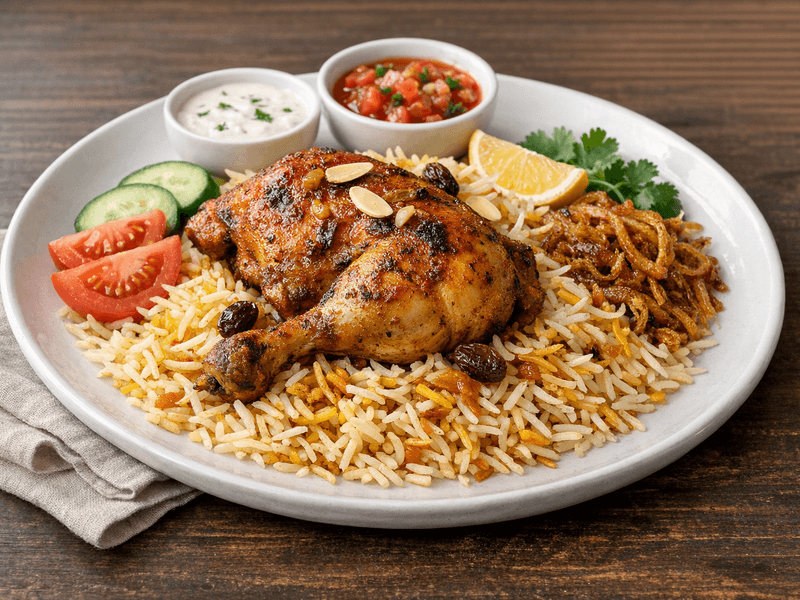
Chicken Mandi Plate
190 kcalqatar-restaurants
Sweets, Coffee & the Ritual of Finishing a Meal
No Souq Waqif evening ends without something sweet and a cup of coffee. The two are tightly bound to Qatari hospitality, so lean in.
- Gahwa (قهوة) — light-roast Arabic coffee infused with cardamom and sometimes saffron, poured from a long-spouted dallah into tiny handleless cups. It is served almost always alongside dates, and refilling your cup is a gesture of welcome. Give the cup a little shake when you've had enough.
- Dates (تمر) — the souq's date stalls are worth a stop in their own right; Qataris pair them with gahwa as the classic close to any gathering.
- Kunafa (كنافة) — warm cheese-filled pastry in crisp shredded dough, soaked in sweet syrup. Order it fresh and eat it hot.
- Umm Ali (أم علي) — a warm bread-and-milk pudding studded with nuts; the region's answer to comfort dessert.
- Baklava & qatayef — flaky nut pastries and stuffed pancakes for those who want one more bite.
- Luqaimat — yes, again. Order a fresh batch as a final sweet if you skipped it on the walk in.
For a quieter finish, the souq's rooftop and courtyard cafes serve karak and shisha late into the night — a good vantage point to people-watch over the lit alleys.
Practical Tips for Eating at Souq Waqif
- Go in the evening. Most restaurants and stalls peak from sunset onwards; weekends (Friday/Saturday nights) are liveliest but busiest. Arrive by 19:00 to beat the rush at the popular heritage kitchens.
- Reserve at the famous spots. Shay Al Shoomos and the well-known Persian and Lebanese restaurants fill up fast — book ahead or expect to queue.
- Order to share. Portions are large and the food is built for the table. Two or three mains plus mezze comfortably feed a group of four.
- Pace your karak. It is sweet and moreish; one or two small glasses is plenty.
- Cash for the stalls. Sit-down restaurants take cards, but street stalls (karak, luqaimat, nuts) are quicker with a few riyals in cash.
- No alcohol. Souq Waqif is dry — drinks are juices, laban, soft drinks, coffee and tea. This is part of the family atmosphere.
- Dress modestly. It is a public, family-oriented heritage site; cover shoulders and knees out of respect.
- Track what you eat. Souq portions are generous and rich. If you're watching your intake, log your machboos, shawarma and sweets in QatarCalorie — snap a photo and we'll estimate the plate so the feast doesn't catch you off guard.
Frequently Asked Questions
What is Souq Waqif and why is it famous for food?
What is Qatar's national dish and where can I try it in the souq?
What street snacks should I try at Souq Waqif?
What is karak chai and how much does it cost?
Is there non-Qatari food at Souq Waqif?
When is the best time to eat at Souq Waqif?
Is alcohol served at Souq Waqif?
What sweets should I finish my meal with?
More Articles
Traditional Qatari Cuisine: The Dishes That Define Qatar
A complete guide to traditional Qatari food — machboos, harees, thareed, madrooba, balaleet, ghuzi and saloona — and the Bedouin, Gulf and pearl-diving roots that shaped it, from loomi and baharat to the modern Doha table.
guideKarak Chai: Qatar's National Obsession
Sweet, spiced, milky and impossibly addictive — karak chai is the unofficial national drink of Qatar. The story of the roadside stall, the drive-thru ritual, its South-Asian roots, and how many calories are really in that paper cup.
guideQatari Sweets & Desserts: Luqaimat, Sago & Beyond
A guide to Qatar's sweet table — golden luqaimat drenched in date syrup, silky sago pudding, fragrant mahalabia, esh asaraya, balaleet and kunafa — and roughly how many calories each carries.