🔥 Featured Dishes

The Drink That Runs Qatar
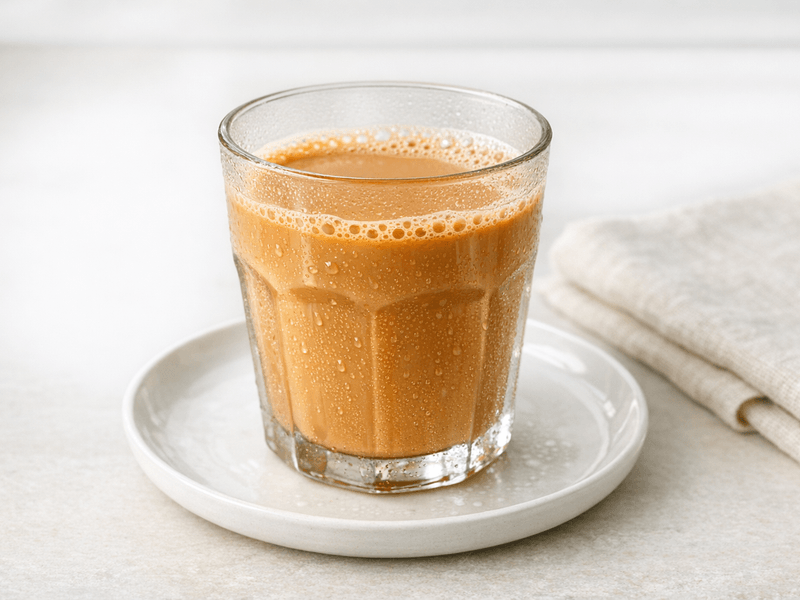
Ask anyone in Qatar — Qatari, Indian, Filipino, Egyptian, British expat — what they drink, and you will almost always get the same one-word answer: karak. Officially it is كرك تشاي (karak chai), a strong black tea boiled with milk, sugar and a whisper of spice. Unofficially, it is the closest thing this country has to a national beverage, a social currency poured into a small paper cup and passed through a car window a million times a day.
Karak is not a fancy drink. There is no latte art, no single-origin pretension, no QR-code menu of seventeen variations. It costs one or two riyals. It is sweet — sometimes alarmingly so — milky, hot, and faintly perfumed with cardamom. And yet Qataris and the people who live alongside them have organised an entire micro-culture around it: the late-night drive to the stall, the cup balanced on the dashboard, the friends who meet at a roadside cafeteria simply to sit in idling cars and talk over karak until 2am.
This is the story of how a humble South-Asian street tea became Qatar's quiet obsession — and, because this is QatarCalorie, exactly what that little cup is doing to your daily numbers.
What Is Karak, Exactly?
South-Asian Roots, Qatari Soul
Karak did not originate in Qatar, and no one pretends otherwise. It travelled here in the pockets and kitchens of South Asian workers — Indian, Pakistani, Bangladeshi and Sri Lankan migrants who have been the backbone of the Gulf's construction, retail and service economy for generations. They brought their masala chai habit with them, and the small "cafeteria" shops they opened to feed and water fellow workers became the first karak stalls.
What is genuinely interesting is how completely Qatar adopted it. The drink was tweaked to local taste — sweeter, milkier, often spiked with saffron and the unmistakable Gulf love of cardamom — and then absorbed into national life so thoroughly that many young Qataris think of karak as theirs. It is sold at heritage festivals next to balaleet and dates, served at desert camps, and offered at weddings. The South-Asian origin and the Qatari identity now coexist without contradiction — a small, sweet monument to how Gulf food culture is built by everyone who lives here.
That fusion is the real Qatar story. The same migration that gave the country karak also filled Doha with biryani houses, nihari joints and Filipino canteens. Karak is just the drink everyone agreed on.
The Drive-Thru Ritual: Qatar's Social Glue
How Many Calories Are in a Karak?
Where to Get Karak Around Doha
Karak is genuinely everywhere — there are thousands of cafeterias across the country — but a few neighbourhoods and spots have a reputation worth seeking out.
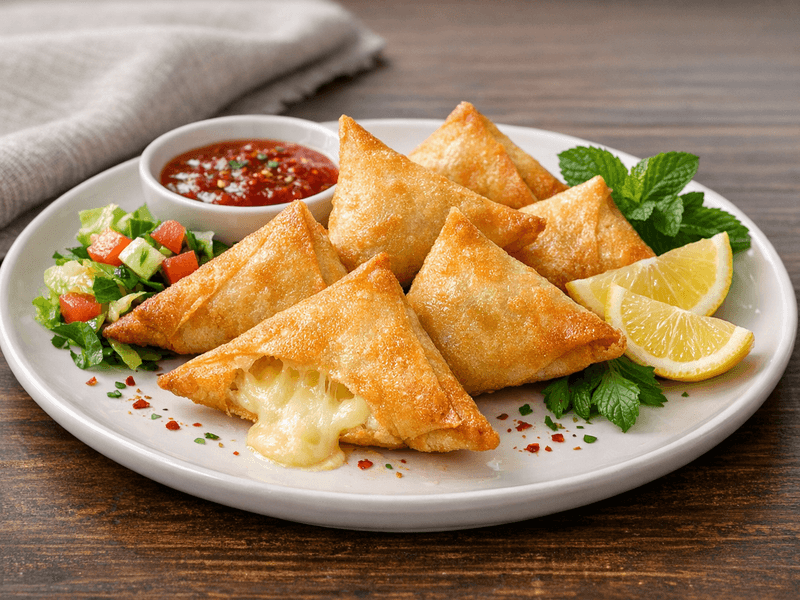
- Katara Cultural Village — Chapati & Karak is the famous one: karak alongside hot chapati and cheese, a tourist-and-local favourite with a sea-air setting.
- Souq Waqif — old-market cafeterias and rooftop spots pour karak late into the night; the perfect chaser to a wander through the souq.
- Al Mansoura & Old Doha cafeterias — the unglamorous, authentic corner stalls where the drive-thru ritual is at its purest.
- The Pearl & West Bay — slicker, slightly pricier modern cafes have put karak on proper menus for the upmarket crowd.
- Industrial Area & Doha outskirts — the original worker-cafeteria heartland, and where many connoisseurs swear the best, strongest karak is still made.
Wherever you go, the etiquette is the same: order small, drink it hot, and do not be surprised when one cup turns into an hour of conversation in a parked car. That, more than any recipe, is what karak really is in Qatar.
Frequently Asked Questions
What is karak chai?
Is karak the same as masala chai?
How many calories are in a cup of karak?
Why is karak so popular in Qatar?
What is the karak drive-thru ritual?
How do I order a healthier karak?
Where can I find the best karak in Doha?
More Articles
Gahwa & Dates: The Heart of Qatari Hospitality
Arabic coffee and dates are the first thing a Qatari host offers — and the last thing you should refuse. A guide to gahwa, the dallah and finjan, cardamom and saffron, the pour-and-shake ritual, and the majlis welcome.
guideA Qatari Breakfast: Balaleet, Khubz, Cheese & Chai
What a real Qatari breakfast looks like — sweet saffron balaleet, eggs and cheese, honey, khubz and crisp regag bread, chebab pancakes and warm foul, all washed down with karak and gahwa. A guide to the rituals, dishes and how to eat it.
guideModern Doha: Where Qatari Tradition Meets the World
Inside Doha's fast-evolving food scene — Friday brunch culture, fusion fine dining, third-wave cafes and karak stops — and how Qatari cuisine holds its own beside the world's kitchens.