🔥 Featured Dishes

The Most Generous Meal of the Day
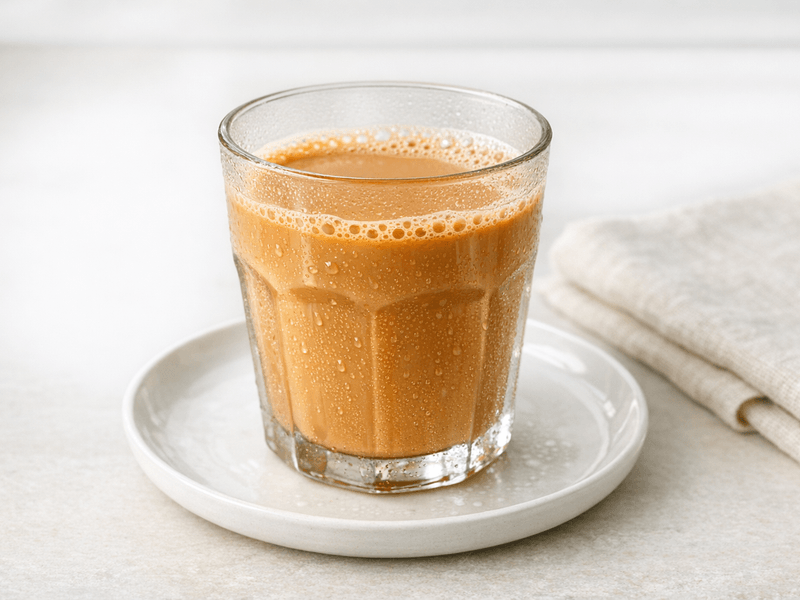
Breakfast in Qatar — rayooq (ريوق) in the local Gulf dialect — is rarely a quick affair. On a weekday it might be a sandwich of cheese and a glass of karak on the way to work; but on a Friday morning, after the family has slept in, the breakfast spread becomes one of the most relaxed and abundant meals of the week. Dishes arrive in a constellation rather than a single plate: something sweet, something savoury, something warm from the griddle, bread in two or three forms, and always tea.
What makes a Qatari breakfast distinctive is its sheer range of flavours on one mat. A spoon of golden, cardamom-scented balaleet (بلاليط) might sit beside a fried egg, a wedge of soft white cheese, a drizzle of honey, a saucer of warm foul (فول) and a stack of paper-thin regag bread. Sweet and savoury are not separated into courses the way a Western breakfast separates pancakes from eggs — they share the table, and you move between them bite by bite.
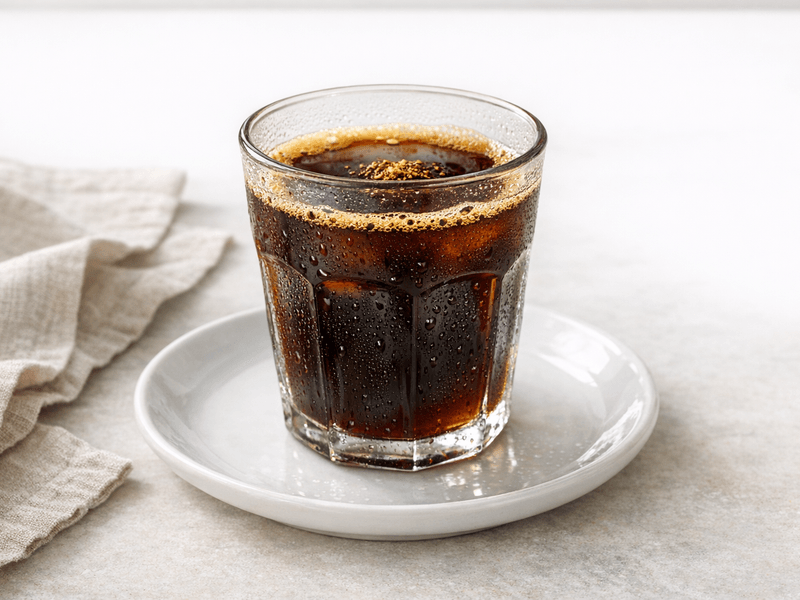
This guide walks through the classic components of that spread: the famous saffron-vermicelli balaleet, the eggs-cheese-and-honey trio, the breads (khubz, regag and chebab), the comforting bowl of foul, and the two drinks — karak and gahwa — that bookend it all. Whether you are eating in a Qatari home, ordering at a Souq Waqif café, or just trying to understand the menu, this is what a real morning in Qatar tastes like.
Balaleet: The Sweet-and-Savoury Star
Eggs, Cheese & Honey: The Savoury-Sweet Trio
The Breads: Khubz, Regag & Chebab
Foul & the Warm Savoury Side
No Gulf breakfast is complete without something warm, savoury and slow-cooked from a pot, and that role belongs to foul (فول, also ful medames) — stewed fava beans. The beans are simmered until soft, then mashed roughly and seasoned with cumin, garlic, lemon and olive oil, often finished with chopped tomato, onion, chilli and a sprinkle of parsley. It is eaten communally, scooped straight from the bowl with khubz, and it is hearty, protein-rich and deeply satisfying.
Foul travelled into the Gulf from the wider Arab world — it is a cornerstone of Egyptian and Levantine breakfasts — and in Qatar it sits comfortably between the local dishes and the large expatriate food culture. Alongside it you will often find its close cousin falafel, plus small savoury bites and dips:
- Foul medames — the mashed fava-bean stew, the warm anchor of the savoury side.
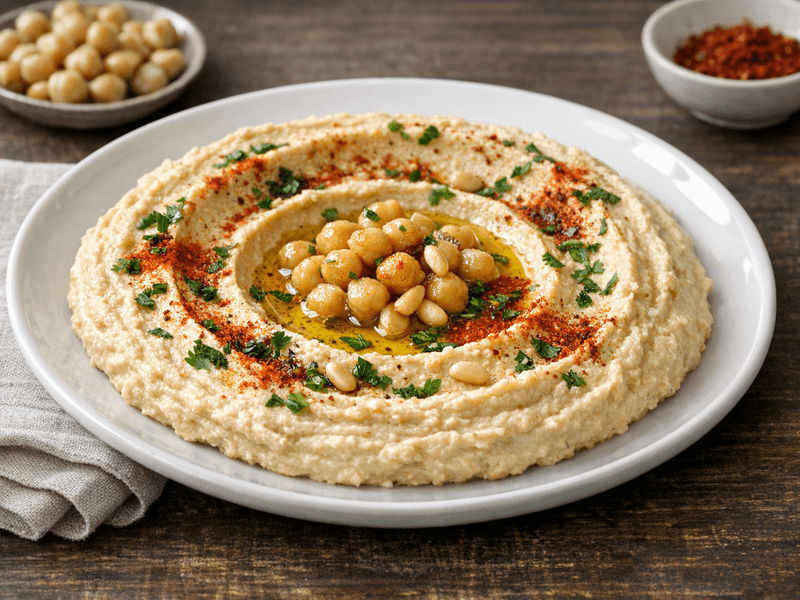
- Hummus — creamy chickpea dip, scooped with bread.
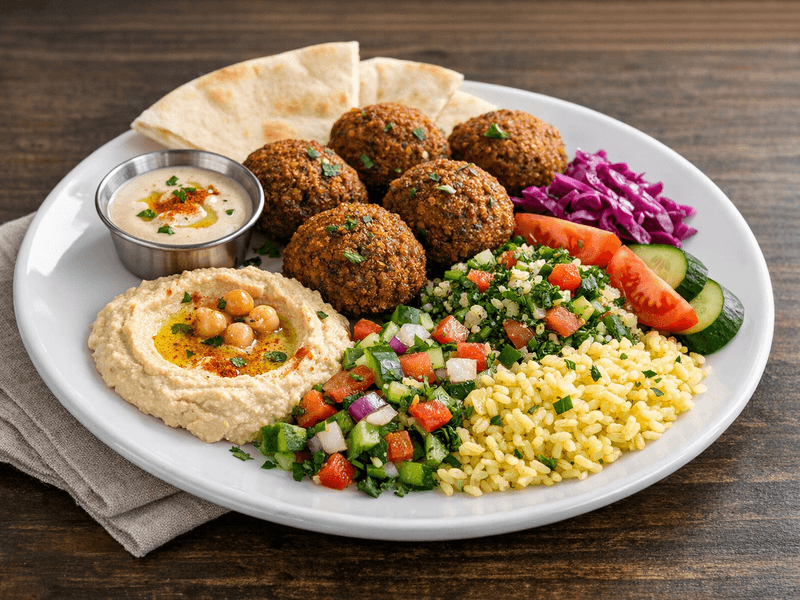
- Falafel — crisp fried bean fritters, sometimes added to the morning spread.
- Olives, tomato, cucumber and fresh herbs — the cool, sharp counterpoint to everything rich.
If you want the dish detail, our verified entries for hummus and the falafel plate sit naturally on a breakfast table even though they belong to the broader Levantine tradition. This blend of local Khaleeji dishes with Levantine, Egyptian and South Asian breakfasts is part of what makes eating in Qatar so layered — a theme we explore in Modern Doha: Where Qatari Tradition Meets the World.
Karak & Gahwa: The Drinks That Frame It
Frequently Asked Questions
What is a traditional Qatari breakfast?
What is balaleet?
What is the difference between regag and chebab?
What is khubz?
What is foul and is it Qatari?
What do Qataris drink with breakfast?
Is a Qatari breakfast healthy or fattening?
When do Qataris eat their big breakfast?
More Articles
Traditional Qatari Cuisine: The Dishes That Define Qatar
A complete guide to traditional Qatari food — machboos, harees, thareed, madrooba, balaleet, ghuzi and saloona — and the Bedouin, Gulf and pearl-diving roots that shaped it, from loomi and baharat to the modern Doha table.
guideKarak Chai: Qatar's National Obsession
Sweet, spiced, milky and impossibly addictive — karak chai is the unofficial national drink of Qatar. The story of the roadside stall, the drive-thru ritual, its South-Asian roots, and how many calories are really in that paper cup.
guideGahwa & Dates: The Heart of Qatari Hospitality
Arabic coffee and dates are the first thing a Qatari host offers — and the last thing you should refuse. A guide to gahwa, the dallah and finjan, cardamom and saffron, the pour-and-shake ritual, and the majlis welcome.