🔥 Featured Dishes
A Gulf Capital That Eats Like the World
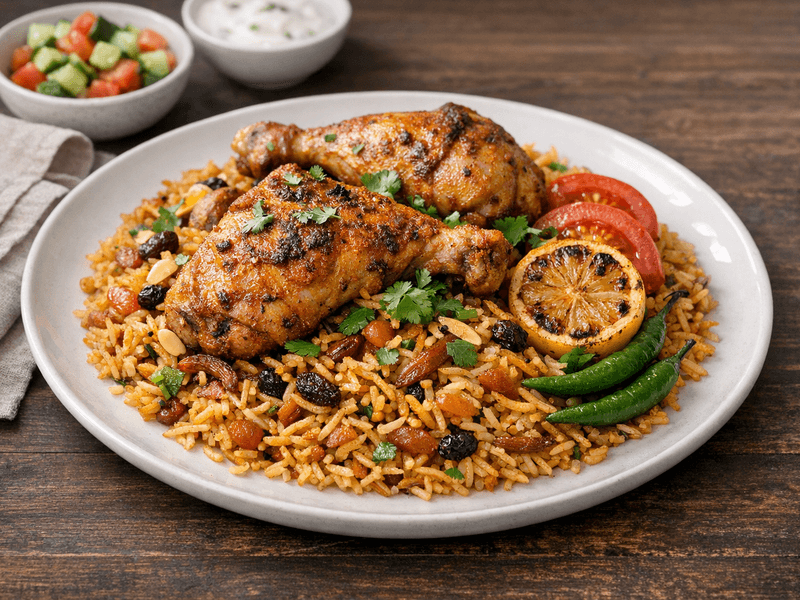
Walk along the Corniche at dusk and you can read Doha's food story in its skyline. Behind the curved towers of West Bay and the sand-coloured ramparts of Souq Waqif, the city packs an entire planet of kitchens into a few square kilometres. In a single evening you can have machboos مكبوس with your hands at a Qatari family restaurant, third-wave flat whites in a converted villa, Levantine mezze under string lights, Peruvian-Japanese nikkei in a five-star tower, and karak chai كرك from a drive-through window on the way home.
Roughly 85% of Qatar's residents come from somewhere else — South Asia, the Levant, the Philippines, Turkey, East Africa, Europe — and they have brought their home kitchens with them. The result is one of the most cosmopolitan dining cultures in the Gulf, layered on top of a confident, intact Qatari food heritage. This guide maps that modern scene: how Friday brunch became a ritual, where fusion fits in, what the cafe boom looks like, and how to eat healthily without missing out on any of it.
Friday Brunch: Doha's Weekend Ritual
If one meal defines modern Doha, it is Friday brunch. The Qatari weekend falls on Friday and Saturday, and Friday — Jumu'ah, the day of congregational prayer — is the slow, social anchor of the week. Brunch typically begins after midday prayers, around 12:30 to 1pm, and rolls on for hours.
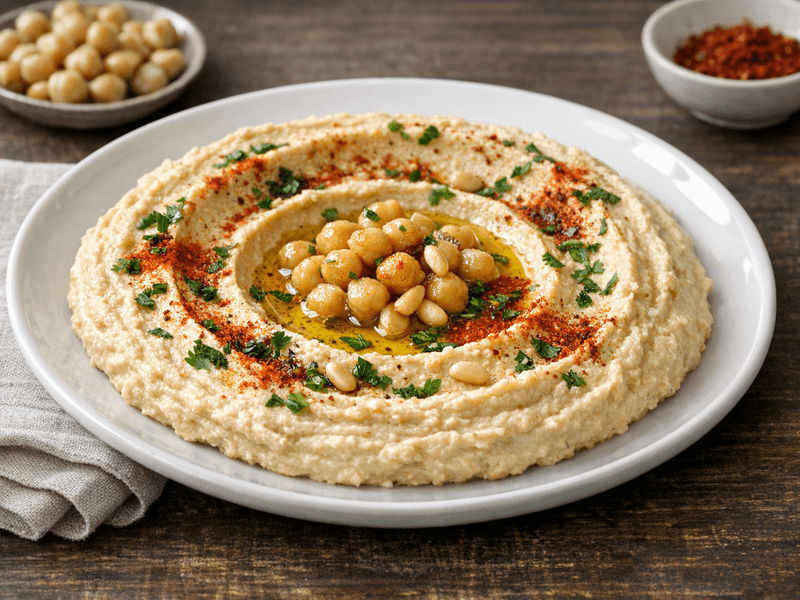
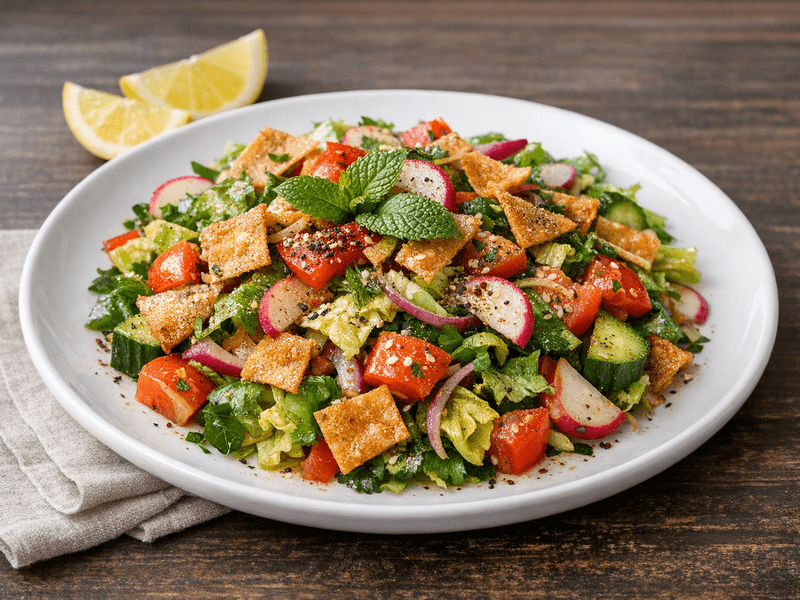
It is less an American eggs-and-pancakes affair than a grand buffet-and-table experience, usually staged in hotel restaurants. A full Doha brunch can span a dozen live stations: an Arabic mezze table heavy with hummus حمص, tabbouleh تبولة and fattoush فتوش; a shawarma and mixed-grill carvery; sushi and sashimi counters; an Indian curry line; a roast; and a dessert room that alone can be the size of a small cafe.
Because Qatar's dining culture is family- and faith-centred, the classic Doha brunch is alcohol-optional and intensely social — extended families, friend groups and colleagues gathered around long tables. Many venues run dedicated family and kids’ sections. A few tips for navigating it:
- Book ahead — the popular brunches sell out by Wednesday, especially in cooler months.
- Pace yourself across stations — treat it as a tasting tour, not a single plate. Start with the mezze and salad tables (the lightest, most fibre-rich options) before the carvery.
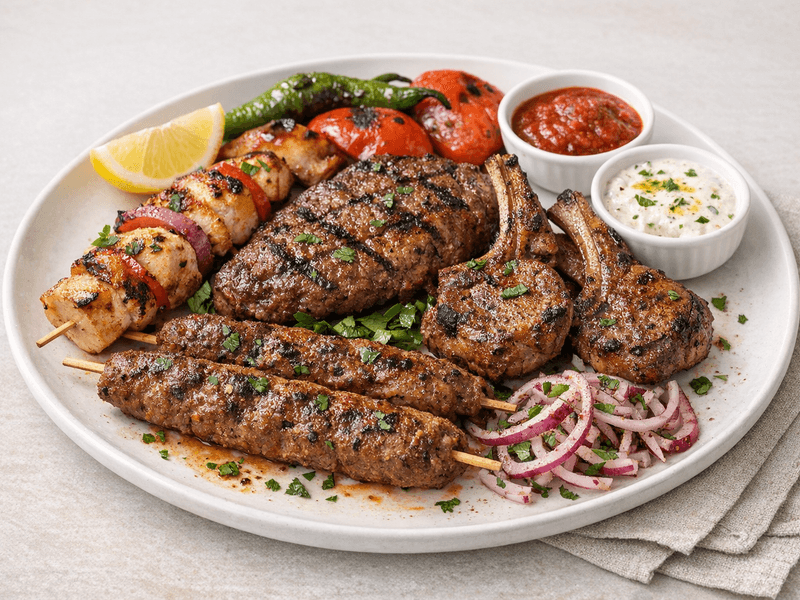
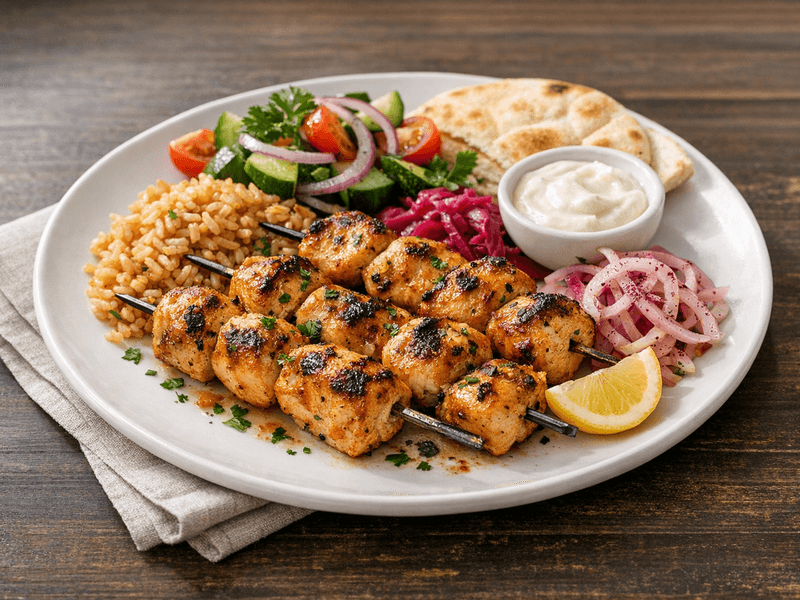
- Go for the grills. The shawarma carvery and live kebab stations — shish tawook شيش طاووق, lamb chops, grilled fish — are some of the highest-protein, most satisfying choices on the floor.
- Save room, not regret. One trip to the dessert room beats four small ones; a single kunafa كنافة or piece of baklava بقلاوة is plenty.
International & Fusion: The World on One Avenue
Doha’s international dining clusters in a handful of districts, each with its own personality. The Pearl-Qatar and its Mediterranean-styled marina at Porto Arabia is the place for European and Levantine waterfront dining. West Bay and the luxury towers host the marquee fine-dining names — Japanese, French, steakhouse, and the Peruvian-Japanese nikkei kitchens that have become a Gulf obsession. Msheireb Downtown, the regenerated heart of the old city, mixes smart-casual concepts with heritage architecture. And Souq Waqif remains the soul of it all: Yemeni, Iranian, Turkish, Moroccan, Levantine and Qatari restaurants packed along its lanes.
Fusion in Doha tends to take two shapes. The first is global fusion that simply happens to be in Qatar — nikkei, modern Indian, contemporary Levantine. The second, and more interesting, is Gulf fusion: chefs reimagining local ingredients and dishes for a modern table. Think machboos-spiced risotto, camel sliders, date-and-tahini desserts, saffron and cardamom worked into pastries, and luqaimat reinvented with pistachio or chocolate. The Qatari pantry — baharat spice blends, dried limes (loomi), saffron, rosewater, dates — gives these kitchens a distinctly local accent.
Crucially, the world’s food has not pushed Qatari cuisine to the margins. National dishes such as chicken machboos, harees هريس, thareed ثريد and madrouba remain everyday eating and the centre of every celebration. The modern scene sits alongside the tradition, not on top of it — and the best Doha food crawl moves freely between the two.
Coffee, Karak & the Cafe Boom
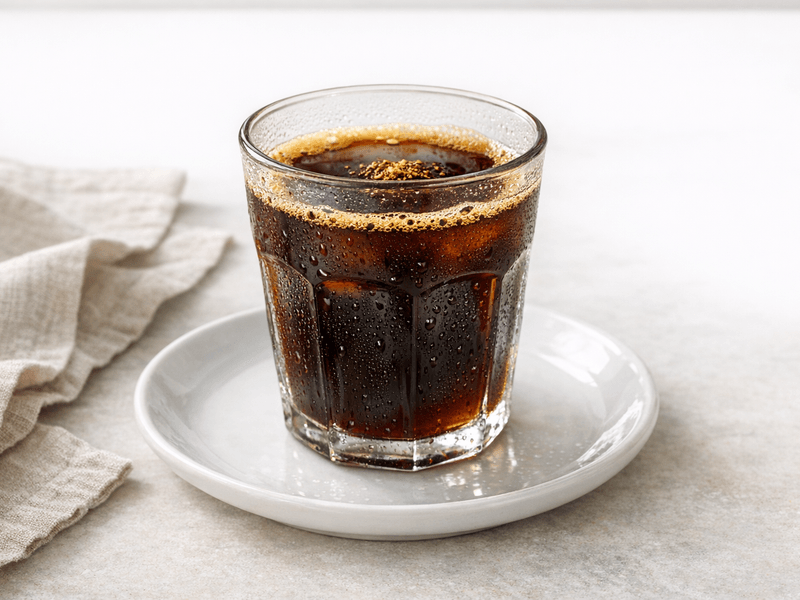
Qatar runs on two very different coffees. The first is gahwa قهوة — lightly roasted Arabic coffee scented with cardamom and saffron, poured from a long-spouted dallah into tiny handle-less cups and served with dates as the opening gesture of any majlis or home visit. It is the ceremonial heart of Qatari hospitality.
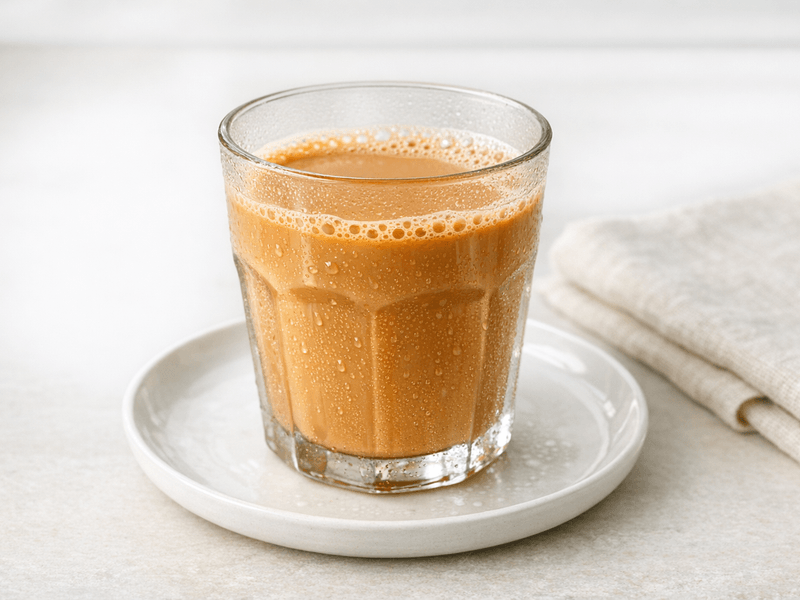
The second is karak chai كرك: strong black tea boiled with evaporated milk, sugar and cardamom, the unofficial national drink. Karak is the great social leveller — sold for a few riyals at roadside cafeterias and drive-throughs, sipped by taxi drivers, students and bankers alike. No tour of modern Doha is complete without pulling up to a karak window at midnight.
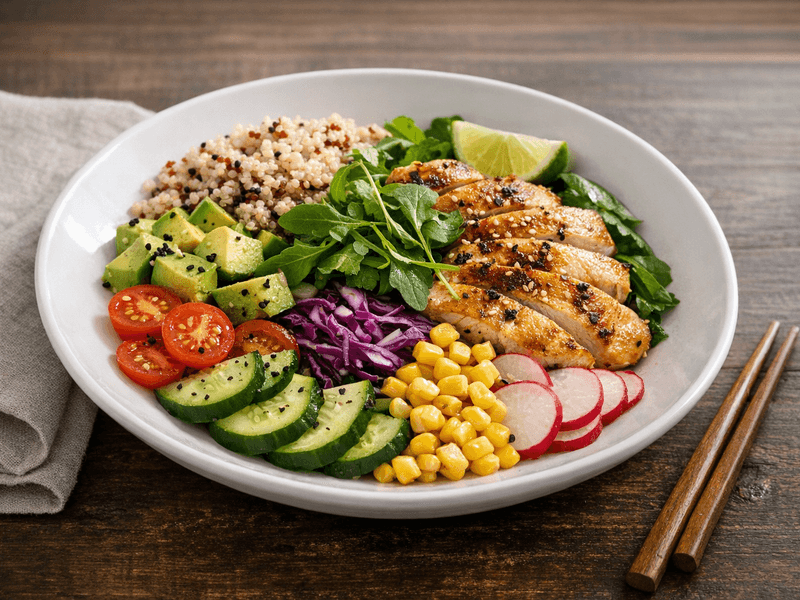
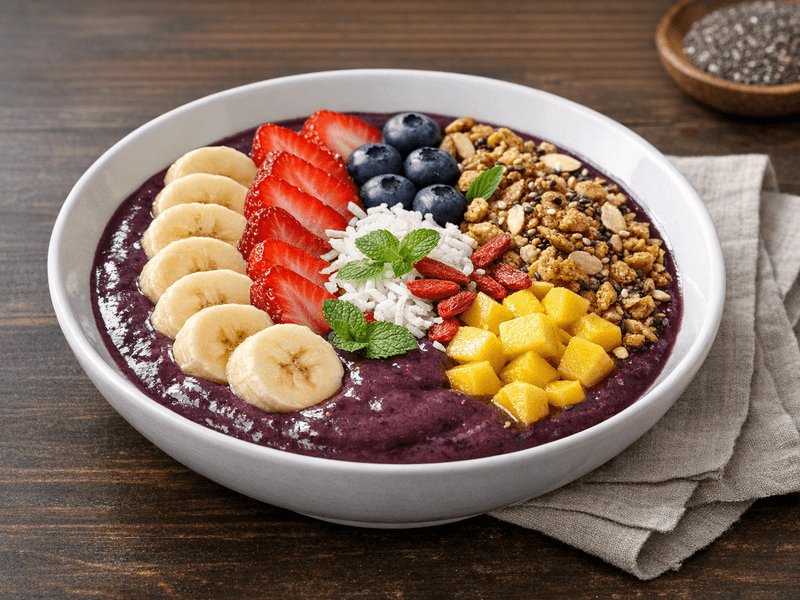
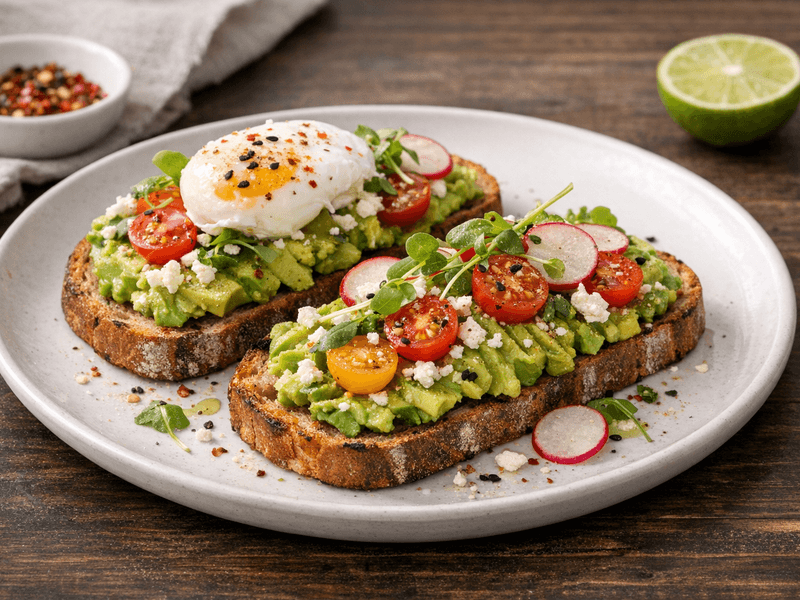
On top of these sits a booming third-wave cafe culture. Specialty roasters and design-led coffee houses have spread across Msheireb, The Pearl, Katara Cultural Village and the residential compounds, serving single-origin pour-overs, cortados, and Instagram-ready brunch plates. Many fuse local flavour into the menu — saffron lattes, date-sweetened cakes, karak reinvented as a latte. For the calorie-aware, cafes are also where Doha’s healthy-eating wave is most visible: acai bowls, avocado toast, protein smoothies and grain bowls now share the counter with the cakes.
Eating Healthy in a Modern Gulf City
Abundance is the defining feature of Doha dining — and the main challenge for anyone watching what they eat. Brunch buffets, generous Gulf hospitality (refusing a second helping takes practice), rich grills and a wall of desserts all push portions up. The good news is that the modern scene has also produced one of the region’s strongest wellness food markets.
Dedicated healthy cafes, cold-pressed juice bars, poke and grain-bowl concepts and macro-counting meal-prep services are everywhere, many born from Qatar’s national push on diabetes and lifestyle health. You do not have to abandon the local table to eat well — much of traditional Gulf and Levantine food is already nutrient-dense. A few practical anchors:
- Build around grilled protein. Shish tawook, grilled fish, kebabs and tandoori chicken are lean, high-protein cores for a meal.
- Let mezze do the heavy lifting. Hummus, tabbouleh, fattoush, moutabal and a pile of fresh vegetables and herbs make a genuinely balanced spread.
- Mind the bread and the fryer. Bottomless khubz and samboosa add up fast; one round is plenty.
- Treat dates as the dessert. A couple of dates with gahwa or unsweetened karak is a satisfying, traditional way to close a meal without a sugar spike.
- Log it as you go. Whether it’s a machboos lunch, a brunch grazing tour or an acai bowl, snap and track it in QatarCalorie to keep the abundance in balance.
Doha’s genius is that it lets you eat the whole world in a weekend while keeping its own food proudly at the centre. Eat broadly, lean on the grills and greens, save the kunafa for when it’s worth it — and the modern Gulf table becomes one of the most rewarding places to eat well.
Frequently Asked Questions
What is Qatar’s national dish?
What is Friday brunch in Doha?
What kinds of restaurants does Doha have?
What is karak and why is it so popular in Qatar?
Is it easy to eat healthy in Doha?
Has international food replaced traditional Qatari cuisine?
What is gahwa and how is it different from regular coffee?
When is the best time to experience Doha’s food scene?
More Articles
Traditional Qatari Cuisine: The Dishes That Define Qatar
A complete guide to traditional Qatari food — machboos, harees, thareed, madrooba, balaleet, ghuzi and saloona — and the Bedouin, Gulf and pearl-diving roots that shaped it, from loomi and baharat to the modern Doha table.
guideKarak Chai: Qatar's National Obsession
Sweet, spiced, milky and impossibly addictive — karak chai is the unofficial national drink of Qatar. The story of the roadside stall, the drive-thru ritual, its South-Asian roots, and how many calories are really in that paper cup.
guideSouq Waqif Food Guide: What to Eat in Doha's Old Market
A local's guide to eating at Souq Waqif (سوق واقف) — Doha's restored old market. Where to find authentic Qatari machboos, Levantine mezze, grilled meats, karak chai, and the best street snacks, plus the must-try dishes and practical tips.