🔥 Featured Dishes
When Qatar Feasts: Eid, Weddings and the Culture of Abundance
In Qatar, a celebration is measured in part by what comes to the table. Hospitality (karam, كرم) is woven so deeply into Gulf culture that a feast is never just a meal — it is a statement of welcome, status and joy. Nowhere is this clearer than on the two Eids and at weddings, when households cook on a scale that can feed dozens of relatives, neighbours and guests who simply show up.
The two great religious feasts anchor the year. Eid al-Fitr (عيد الفطر) marks the end of Ramadan's month of fasting and leans sweet — the morning begins with dates, balaleet and Arabic coffee before the savoury cooking starts. Eid al-Adha (عيد الأضحى), the "Feast of Sacrifice," is the meatier of the two: families traditionally sacrifice a sheep, goat or cow, share a third with the poor and a third with neighbours, and feast on the rest. Weddings sit alongside these as the third pillar of large-scale Qatari hosting, often catered for hundreds.
What unites all three is generosity expressed through volume and through one centrepiece above all others: a whole animal, slow-cooked and presented on a mountain of fragrant rice.
Ghuzi / Ouzi: The Whole Roast Lamb That Crowns the Feast
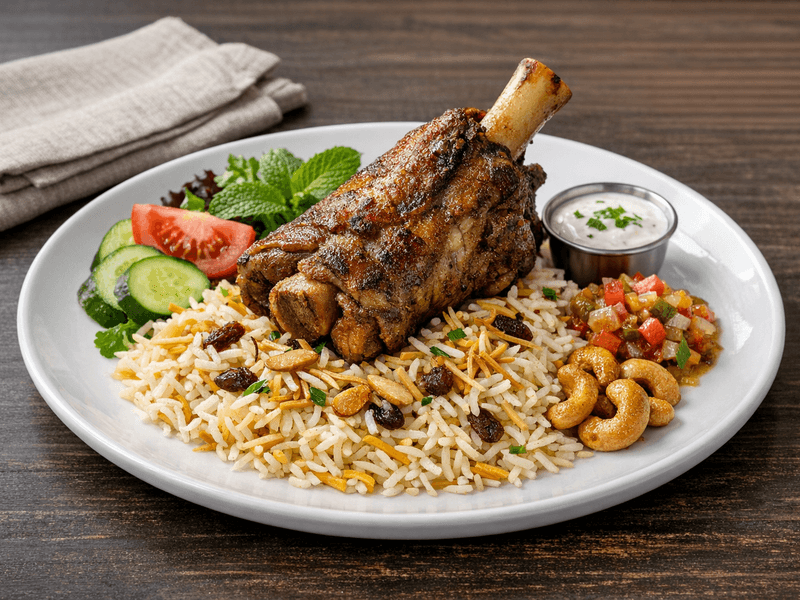
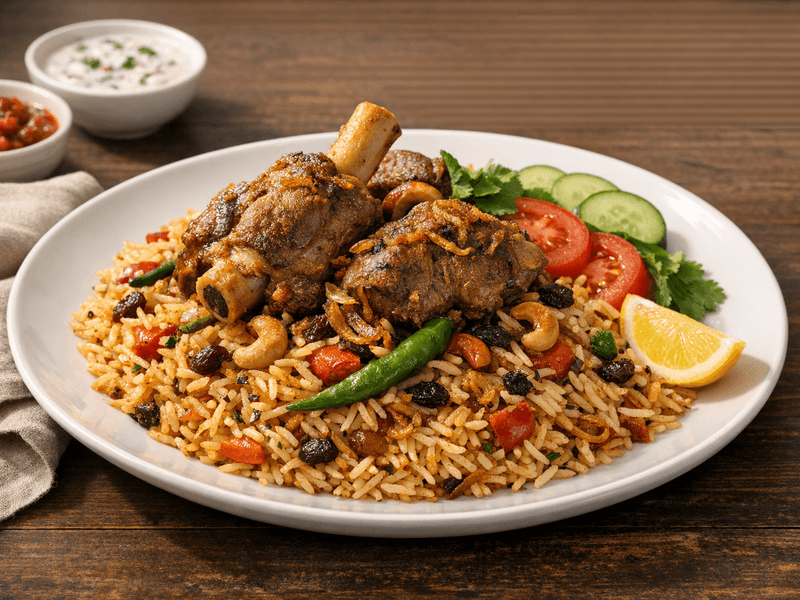
If there is one dish that says "celebration" in Qatar and across the Gulf, it is ghuzi (غوزي), also spelled ouzi or quzi. A whole lamb — sometimes a young goat — is slow-roasted or steamed until the meat slips from the bone, then laid over a vast platter of spiced rice studded with toasted almonds, pine nuts, raisins and sometimes a layer of stuffing. The animal is presented intact and theatrical, the rice perfumed with cardamom, cinnamon, cloves and saffron.
Ghuzi is communal by design. It arrives on a single huge tray (a maqlaya or large round platter) set in the centre of the gathering, and guests eat together, traditionally with the right hand, pulling tender meat and scooping rice. It is the dish reserved for the moments that matter most — Eid al-Adha, weddings, the return of a relative, the welcoming of an honoured guest.
Because it is whole-animal cooking, ghuzi is rarely a weeknight dish. It demands hours of preparation and is usually ordered from specialist caterers or cooked by an extended family for a crowd. Calorie-wise it is rich — lamb fat and ghee-laced rice add up quickly — but on a feast day, that richness is precisely the point.
- Centrepiece: a whole lamb or goat, slow-cooked to fall-apart tenderness.
- The bed: spiced long-grain rice with nuts, raisins and warm spices.
- The moment: Eid al-Adha, weddings, major family honours.
- How it is eaten: communally, from one shared platter.
Celebratory Machboos and the Savoury Spread
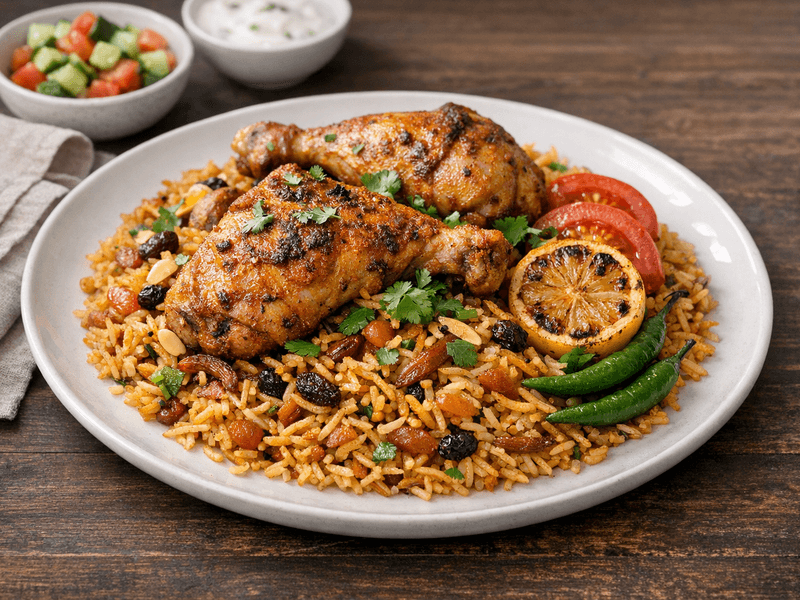
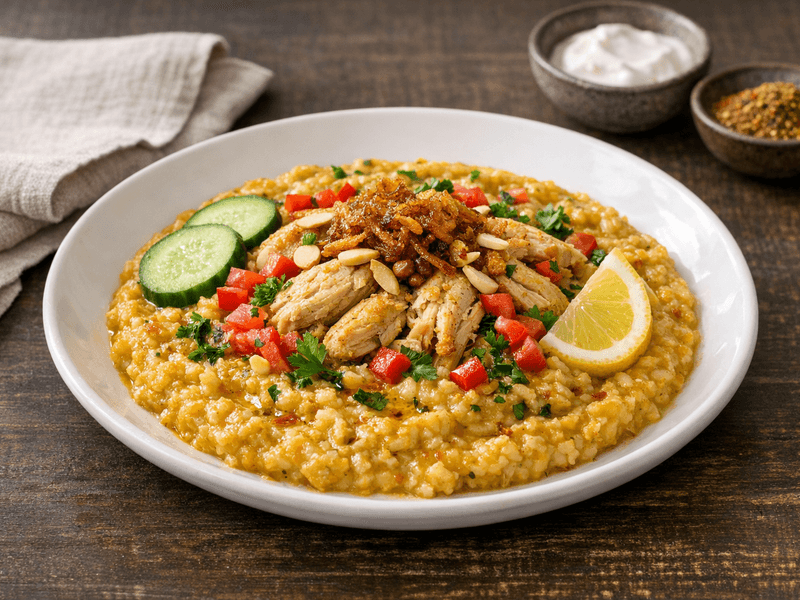
Where ghuzi is the showpiece, machboos (مكبوس) — Qatar's national dish — is the dependable backbone of feast-day cooking. This spiced rice-and-meat dish, built on the aromatic baharat blend and dried lime (loomi, لومي), scales beautifully for a crowd. On Eid you will often find both a celebratory lamb machboos and a chicken version cooking side by side in enormous pots, the rice tinted gold and the meat falling tender.
Around the machboos and ghuzi, the table fills out with a generous savoury spread that varies by household:
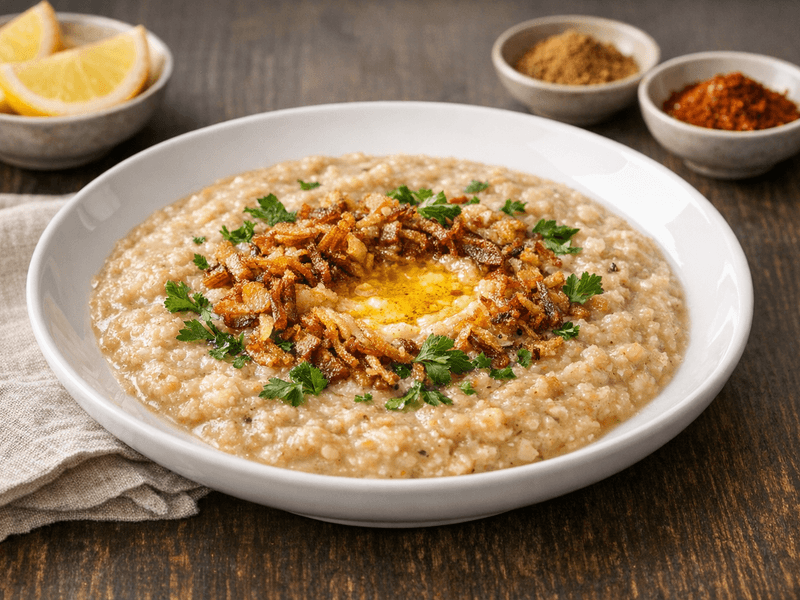
- Harees (هريس) — slow-cooked wheat and meat pounded to a silky, comforting porridge, a festive staple that also appears in Ramadan.
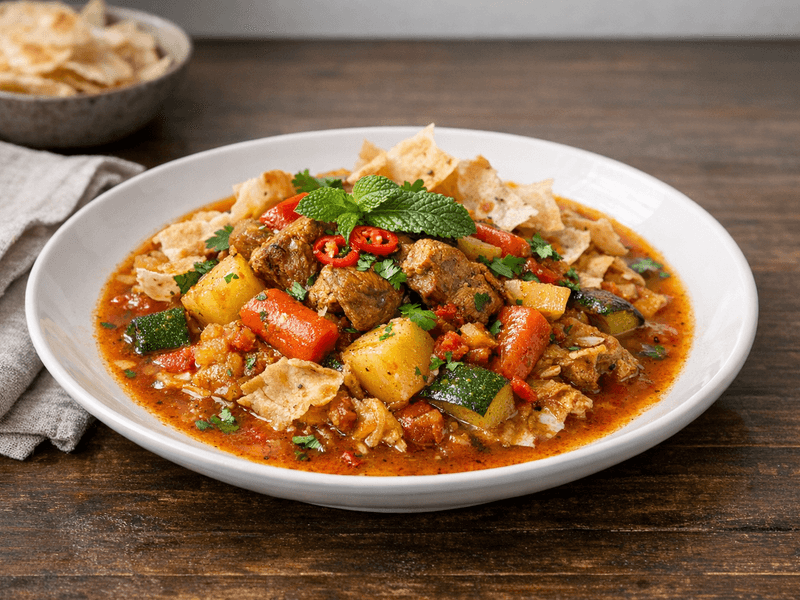
- Thareed (ثريد) — torn flatbread soaked in a spiced meat-and-vegetable stew, humble but beloved.
- Madrouba — a "beaten" rice-and-chicken dish cooked soft and creamy.
- Saloona — a brothy spiced stew of meat or chicken with vegetables, ladled alongside plain rice.
- Grills and kebabs — mixed grills, shish tawook and shawarma platters round out the savoury offering, especially at larger catered weddings.
The logic of a Qatari feast is abundance and choice: no guest should ever feel there was not enough, and several main dishes will sit out at once so everyone finds something they love.
The Sweet Side of Eid: Luqaimat, Kunafa, Dates and More
Eid al-Fitr in particular is a sweet celebration — after a month of fasting, the dessert table is the emotional heart of the day. Qatari and wider Gulf and Levantine sweets crowd together, served with rounds of Arabic coffee (gahwa, قهوة) and sweet karak chai.
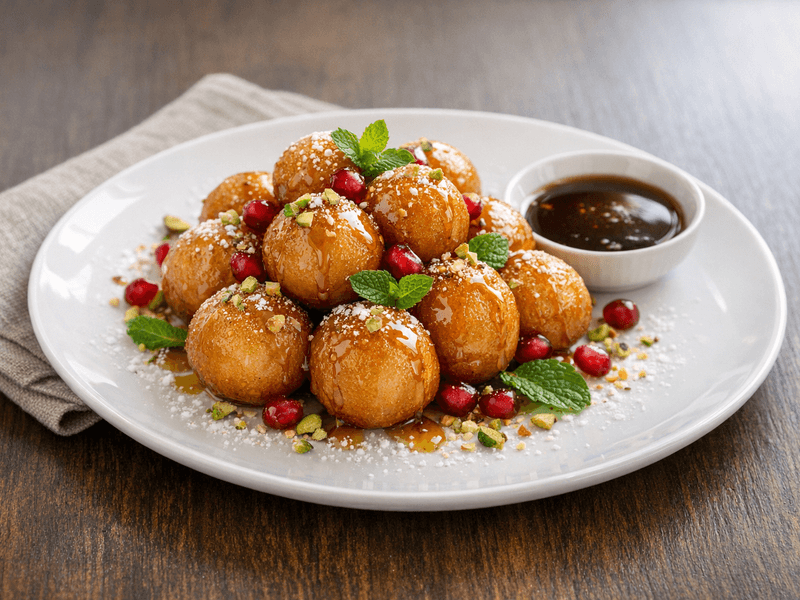
- Luqaimat (لقيمات) — golden, crisp-shelled dough fritters drenched in date syrup (dibs) — perhaps the most iconic Gulf festive sweet.
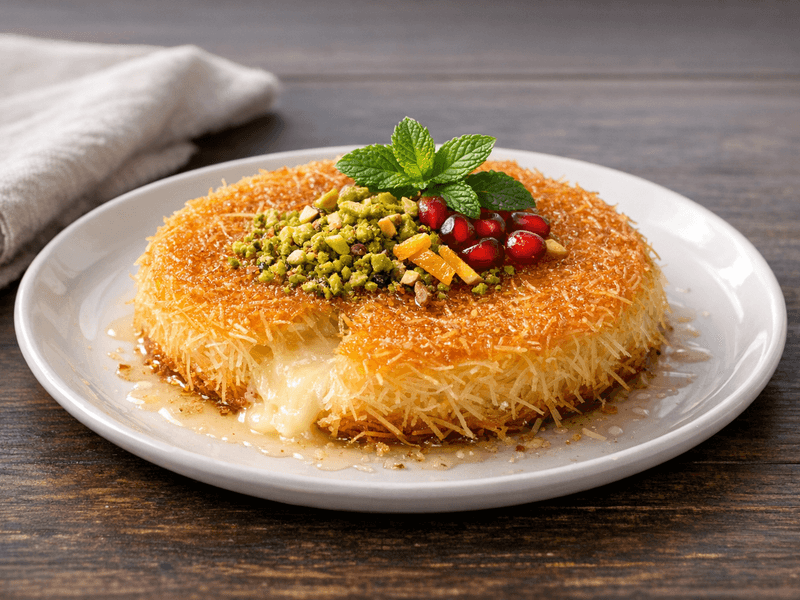
- Kunafa (كنافة) — shredded pastry over molten cheese, soaked in sugar syrup and crowned with pistachio.
- Qatayef — stuffed pancakes folded around nuts or sweet cheese, especially associated with this season.
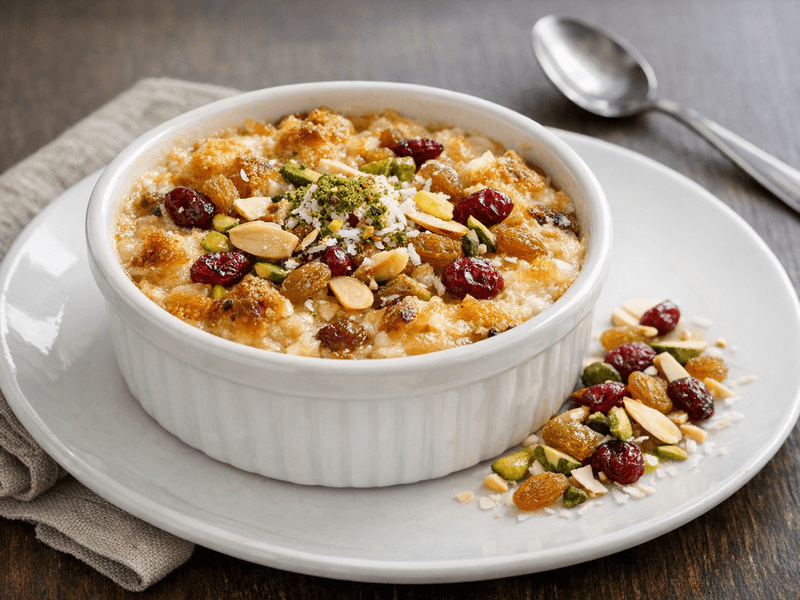
- Umm Ali — a warm bread-and-milk pudding rich with nuts and cream.
- Baklava — layered filo, nuts and syrup, ever-present at Gulf celebrations.
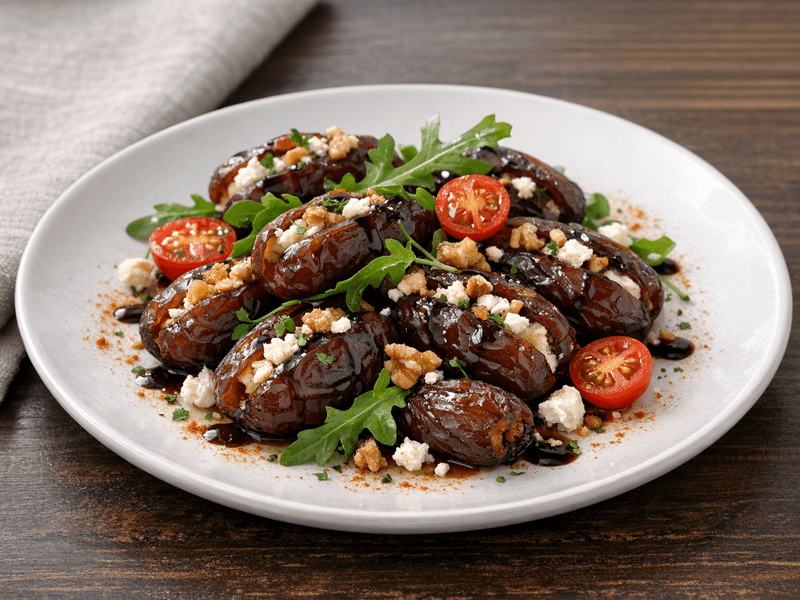
- Dates (تمر) — never absent; the day, and very often the feast itself, begins and is punctuated with dates.
Hospitality continues into the sweet course: guests are pressed to take "just one more," and refusing entirely can feel impolite. Coffee and dates are offered on arrival and again as the gathering winds down, bookending the whole celebration.
The Gathering Itself: Family, Generosity and the Shared Platter
The food is the expression, but the gathering is the point. On Eid morning, families attend prayers, exchange visits and move between the homes of relatives — and at each stop there is coffee, dates and something to eat. Children receive eidiya (gift money); elders are visited first as a mark of respect.
Meals are still frequently eaten seated on the floor around a shared cloth or a single large platter, especially in the majlis (مجلس) — the reception room where guests are received. Eating from one tray is not just practical for feeding a crowd; it is symbolic, a literal sharing of sustenance that reinforces family and community bonds.
Weddings amplify all of this. Often gender-separated in the traditional style, with men and women celebrating in different halls, a Qatari wedding feast can run to hundreds of guests, with ghuzi and machboos produced at scale by caterers, followed by an endless sweet table and gahwa service late into the night.
Tracking it on a feast day: celebration eating is meant to be enjoyed, not policed. If you are logging in QatarCalorie, a realistic approach is to estimate the shared platter by what fits on your own plate, count the dates and sweets you actually eat rather than what is offered, and accept that one festive day of rich ghuzi and luqaimat is exactly what these occasions are for. Balance comes from the ordinary days around them, not the feast itself.
Frequently Asked Questions
What is the centrepiece dish of a Qatari Eid or wedding feast?
What is Qatar's national dish, and is it served at celebrations?
What is the difference between Eid al-Fitr and Eid al-Adha food in Qatar?
What sweets are served on Eid in Qatar?
What other savoury dishes appear at a Qatari feast besides ghuzi and machboos?
How is a Qatari feast traditionally eaten?
Are Qatari weddings catered differently from home Eid meals?
How should I track calories on a Qatari feast day?
More Articles
Machboos: The Story Behind Qatar's National Dish
Machboos (مكبوس) is Qatar's national dish — fragrant spiced rice layered with chicken, lamb, fish or shrimp, scented with loomi and baharat. Here is its history, the method, the varieties, how it anchors a Qatari gathering, and roughly how many calories sit on the plate.
guideRamadan in Qatar: Iftar, Suhoor & Food Traditions
How Qatar eats through the holy month — breaking the fast with dates and water, the iftar table of harees, thareed, soups and samboosa, late-night suhoor, the children's feast of Garangao, the great Ramadan tents, and how to fast without losing your nutrition goals.
guideThe Qatari Majlis: Food, Generosity & Dining Etiquette
Inside the majlis مجلس — the heart of Qatari hospitality. How communal floor dining works, why you eat with your right hand, the ritual of gahwa and dates, and the unwritten rules for honouring a guest in Qatar.