🔥 Featured Dishes
What the Majlis Really Is
In Qatar, hospitality is not a courtesy you extend to a guest — it is the architecture of the home itself. The majlis (مجلس, literally "a place of sitting") is the room that proves it: a long, cushion-lined reception space, often with its own street entrance, where families receive visitors, settle disputes, mark engagements, and share the food and coffee that turn an acquaintance into a guest.
Historically the majlis was the civic engine of Bedouin and pearling-era society. It was where a tribe's elders held council, where news travelled, where marriages were arranged and grievances aired. In 2015 the majlis tradition was inscribed on UNESCO's list of Intangible Cultural Heritage — recognition that this is not merely a furnished room but a living social institution shared across the Gulf.
For a newcomer to Doha, the single most useful thing to understand is this: when a Qatari invites you to the majlis, you are not being offered a meal. You are being offered a relationship. The food is the language that relationship is spoken in.
Generosity as a Duty, Not a Gesture
Gulf hospitality — karam (كرم), generosity — descends directly from the harsh logic of the desert. In a landscape where a traveller could die between wells, feeding and sheltering a stranger was a survival contract that ran both ways: today you host, tomorrow you are hosted. That ethic hardened into one of the most prized virtues in Arabian culture, and it did not soften when the pearls gave way to gas wealth.
What this means at the table is a kind of generosity that can startle first-time guests:
- You will be over-served on purpose. A host who lets a guest finish everything on the platter has, by tradition, failed. Abundance is the point — leftovers are proof the guest was honoured, not waste.
- Refusing is an art, not a right. A flat "no" to food or coffee can read as cold. The graceful move is to accept a little, praise it, and decline further servings warmly (more on the coffee signal below).
- The guest eats first and best. The choicest pieces of meat are nudged toward the visitor. On a whole-lamb ghuzi, the host may literally place tender shoulder or cheek meat in front of you.
- There is no bill, ever. Offering to pay or "contribute" in a private majlis misreads the entire exchange. Bring a small gift — dates, sweets, perfume oud — instead.
The instinct to be a "low-maintenance" guest who wants nothing actively works against you here. Receiving graciously is the reciprocal courtesy.
Dining on the Floor, Sharing One Platter
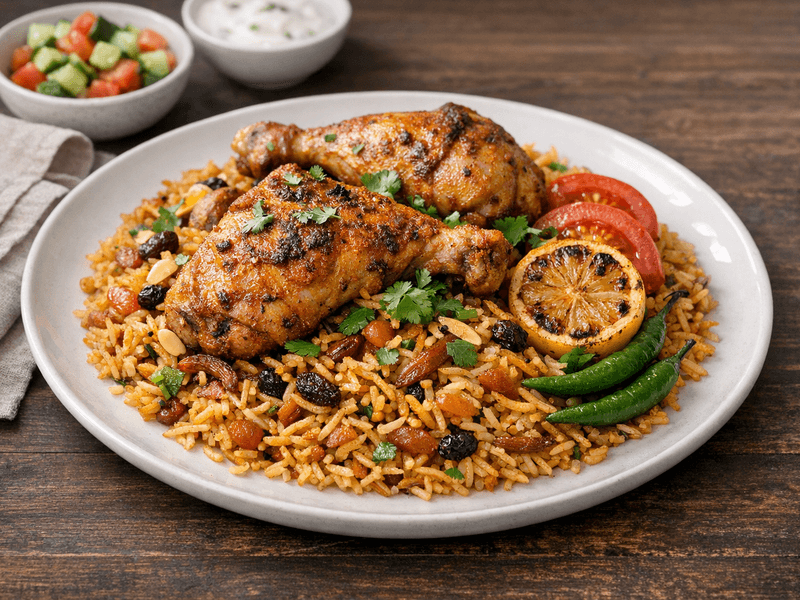
Chicken Machboos
185 kcalqatari
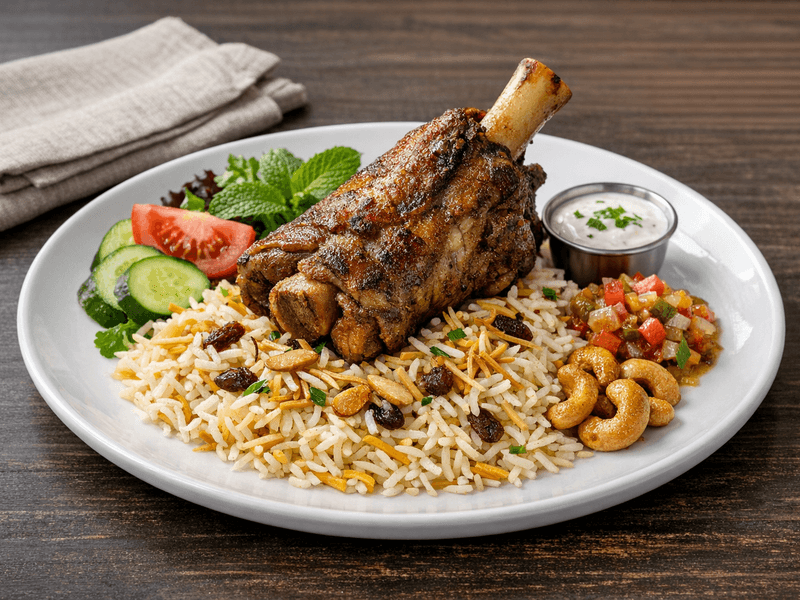
Ghuzi Lamb
230 kcalqatari
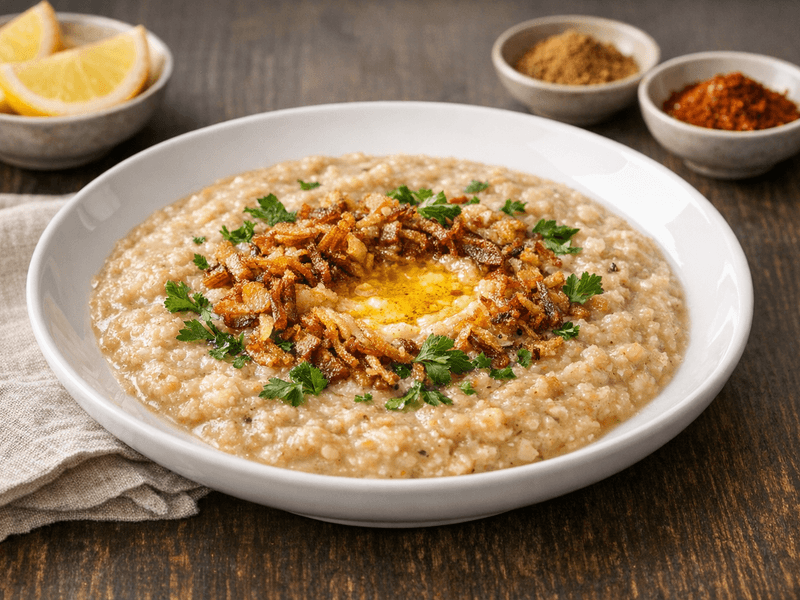
Harees
145 kcalqatari
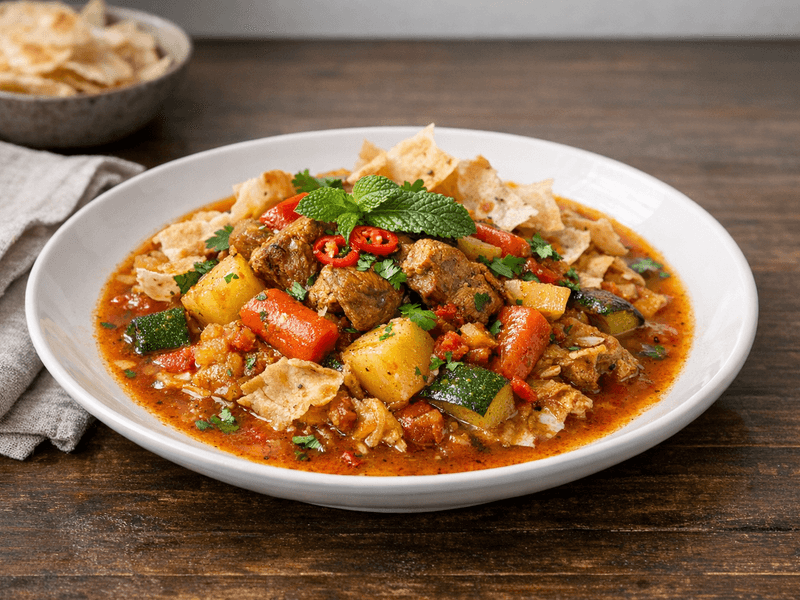
Thareed
155 kcalqatari
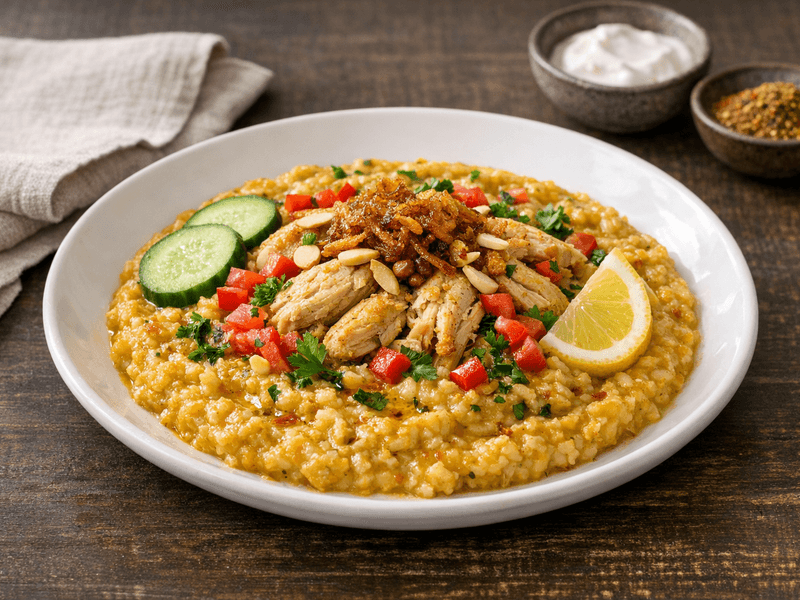
Madrouba Chicken
160 kcalqatari

Arabic Coffee
5 kcalsweets-drinks-qatar
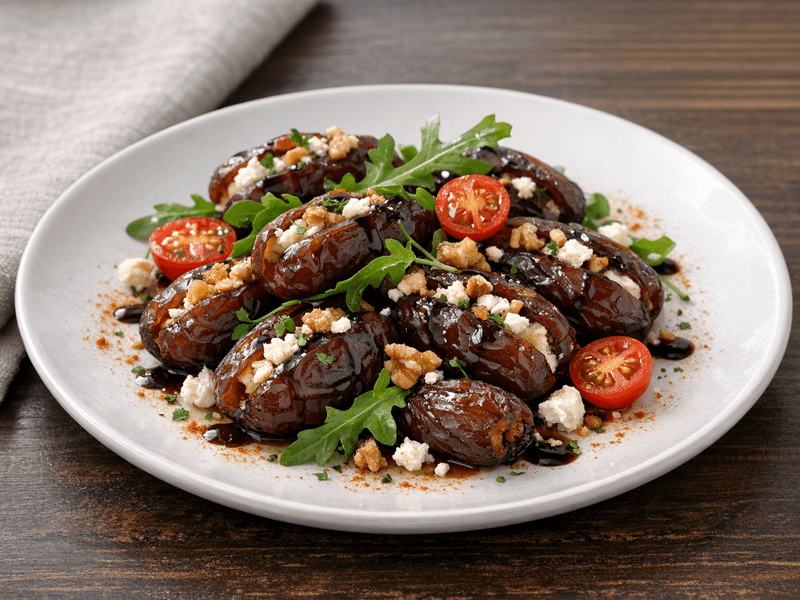
Dates
282 kcalramadan-qatar
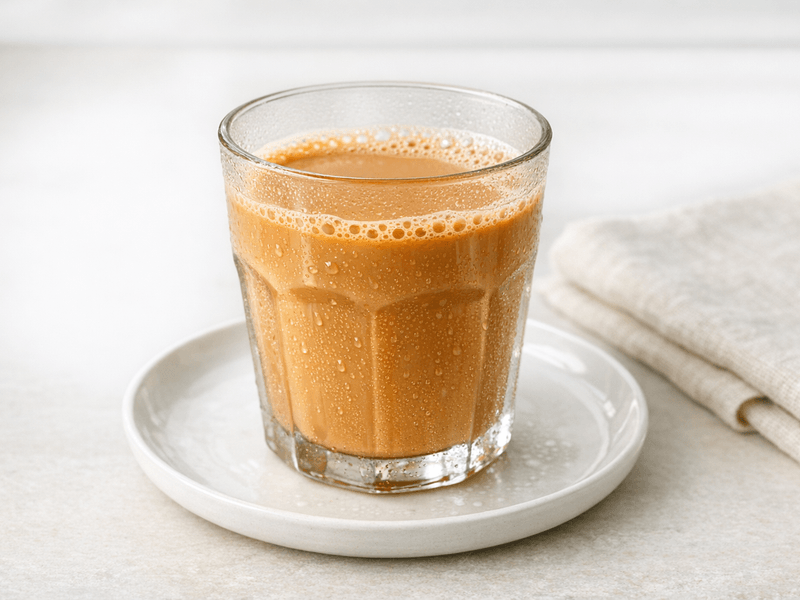
Karak Chai
60 kcalsweets-drinks-qatar
The Right Hand: The One Rule You Cannot Skip
If you remember nothing else from this guide, remember this: eat with your right hand. In Qatar, as across the Arab and wider Muslim world, the left hand is traditionally reserved for personal hygiene and is considered unclean for handling food. Reaching into a shared platter with the left hand — or passing food, dates, or a coffee cup with it — is a genuine breach of etiquette, not a minor quirk.
The practical rules:
- Food touches only the right hand. Scoop, shape, and lift with the right. The left can rest in your lap or steady a serving bowl, but it does not go to the mouth or into communal food.
- Give and receive with the right hand. Accept a date, a coffee cup, or a gift with the right; offering with the left looks dismissive.
- Left-handed? Adapt where you can. Hosts are gracious about it, but making the effort to use the right hand for the shared platter is noticed and appreciated.
- Wash before and after. Because hands do the work, a wash station, basin, or scented water is part of the ritual — use it before eating and again after.
This single habit signals more cultural fluency than almost anything else you can do at a Qatari table.
Gahwa & Dates: The Ritual That Opens and Closes Everything
Chicken Machboos
185 kcalqatari
Ghuzi Lamb
230 kcalqatari
Harees
145 kcalqatari
Thareed
155 kcalqatari
Madrouba Chicken
160 kcalqatari
Arabic Coffee
5 kcalsweets-drinks-qatar
Dates
282 kcalramadan-qatar
Karak Chai
60 kcalsweets-drinks-qatar
Honouring the Guest: The Quiet Choreography
Beyond the coffee and the platter, a web of small customs governs how a guest is honoured in a Qatari home. None of them are tested; all of them are noticed.
- Greetings before food. Expect "As-salamu alaykum" (السلام عليكم — peace be upon you), a handshake (right hand), and unhurried questions about your health and family. Rushing to the meal is the foreign instinct to suppress.
- Seating is meaningful. The seat of honour is usually furthest from the door, often beside the host. If you are guided to it, accept; don't fight for a humbler spot.
- Remove your shoes if others do, especially before stepping onto the carpet where the sufra is laid.
- Praise the food, thank the cook. Saying the meal is delicious and that you are full and grateful — alhamdulillah (الحمد لله, "praise be to God") — is the expected close. A burst of bukhoor (بخور, oud incense) often signals the gathering is winding down.
- Dietary lines are respected. Pork and alcohol are absent; food is halal. A polite note about allergies is fine, but framing it as preference rather than complaint keeps the warmth intact.
The throughline is simple: a Qatari host's reputation is built on your comfort. Your job, as guest, is to let yourself be looked after — eat a little of everything, accept the coffee, use your right hand, and leave having received more than you expected. That is the majlis working exactly as it was designed to.
Frequently Asked Questions
What is a majlis in Qatar?
Why do Qataris eat with their right hand?
How does communal floor dining work in a Qatari home?
What is the etiquette for Arabic coffee (gahwa) and dates?
Is it rude to refuse food or coffee from a Qatari host?
What is Qatar's national dish, and what is usually served at a majlis?
Should I bring a gift to a Qatari majlis?
Do I have to eat with my hands, or is cutlery acceptable?
More Articles
Traditional Qatari Cuisine: The Dishes That Define Qatar
A complete guide to traditional Qatari food — machboos, harees, thareed, madrooba, balaleet, ghuzi and saloona — and the Bedouin, Gulf and pearl-diving roots that shaped it, from loomi and baharat to the modern Doha table.
guideGahwa & Dates: The Heart of Qatari Hospitality
Arabic coffee and dates are the first thing a Qatari host offers — and the last thing you should refuse. A guide to gahwa, the dallah and finjan, cardamom and saffron, the pour-and-shake ritual, and the majlis welcome.
guideEid & Celebration Feasts in Qatar
How Qatari families feast on Eid al-Fitr, Eid al-Adha and at weddings — from whole-roast ghuzi over spiced rice to celebratory machboos, harees and tables groaning with luqaimat, kunafa and dates.