🔥 Featured Dishes
Before the Oil, There Was the Sea
It is easy to look at modern Doha — the glass towers of West Bay, the artificial palm of The Pearl, the megamalls — and forget that for most of its history, Qatar faced the other way: out toward the water. The peninsula is small, the interior is desert, and for centuries the line between survival and starvation ran along the shallow, warm waters of the Arabian Gulf.
The sea gave Qataris two things. The first was the pearl (لؤلؤ), the foundation of the pre-oil economy. The second, and the one that still shapes the daily table, was fish. Long before air-conditioned grocery aisles, a Qatari household measured the day by what the boats brought in: a kingfish for the grill, a basket of small safi for frying, a haul of shrimp destined for the rice pot.
This article is about that second gift — the food. But you cannot tell the story of Qatari seafood without first telling the story of the men who went to sea for something you cannot eat at all.
Pearl Diving & the Dhow: The Heritage Beneath the Plate
From roughly the 18th century until the 1930s, pearling was the engine of the Qatari coast. Each summer, fleets of wooden dhows (the lateen-sailed booms and sambuks) sailed out for the ghaus al-kabir — the "great dive" — a punishing four-month season on the offshore oyster beds.
The divers (ghais, غيص) worked without tanks. A diver clipped a stone weight to his foot, pinched his nose with a turtle-shell clip (fattam), and dropped to the seabed on a rope tended by a hauler (seib) above. He had perhaps a minute to fill his net with oysters before being pulled back up — then he did it again, dozens of times a day, on a diet that was deliberately light so the body could keep diving.
Two things about that era still echo in the kitchen today:
- Rice and dried provisions ruled the boat. Fresh cooking at sea was minimal — dates, rice, dried fish and coffee sustained the crews. The instinct to preserve fish for lean times became jasheed and salted-fish cookery on shore.
- The sea was respected, not romanticised. Pearling was dangerous, indebted work. When the Japanese cultured-pearl industry collapsed Gulf pearling in the 1930s — just before oil arrived — fishing remained the honest, everyday relationship Qataris kept with the water.
You can still see this heritage made tangible at Souq Waqif and along the Doha Corniche, where restored dhows float as a living museum, and every December the traditional dhow festival at Katara brings the old boats back to the water. The wood, the rope, the diving songs (fjiri) — they are the prologue to the plate.
The Gulf Catch: Know Your Fish
The Arabian Gulf is shallow, salty and warm, which gives its fish a distinct firm texture and clean flavour. Walk into any Qatari fish market and you will meet the same regulars again and again. Learning their names is the first step to eating well here.
| Fish | Arabic | What it is | Best for |
|---|---|---|---|
| Hammour | هامور | Grouper — the Gulf's prized table fish, firm and white | Grilling whole, frying fillets, machboos |
| Safi | صافي | Rabbitfish — small, sweet, slightly oily, deeply local favourite | Pan-frying, charcoal grill |
| Kingfish | كنعد (kana'ad) | Narrow-barred Spanish mackerel — meaty steaks, rich flavour | Grilling, jasheed, curry |
| Shrimp / prawn | روبيان (rubyan) | Gulf shrimp, sweet and small to medium | Machboos rubyan, saloona |
| Sheri | شعري | Spangled emperor — clean, white, popular grilled | Whole grill, fry |
| Sobaity | صبيطي | Sea bream — delicate, considered a fine eating fish | Grilling, baking |
Hammour is the one to know first. It is to Qatar what cod is to Britain — the default "good fish," the one a host serves to honour a guest. Kana'ad (kingfish) is the workhorse: cheaper, richer, and the fish most often dried and salted into jasheed. And rubyan (shrimp) is the star of the single most beloved Qatari seafood dish, which deserves its own section.
Machboos Rubyan: The Shrimp Version of the National Dish
If machboos (مكبوس) is the national dish of Qatar, then machboos rubyan (مكبوس روبيان) — shrimp machboos — is the sea's answer to it. It takes the same spiced, slow-built rice that defines Qatari cooking and swaps the meat for sweet Gulf shrimp.
The architecture is the same one that runs through all machboos:
- The base: onions, garlic, tomato and a fragrant wave of bzar — the Qatari spice blend of black pepper, cumin, coriander, cinnamon, cardamom, clove and dried lime (loomi, لومي).
- The dried lime is the signature. Loomi gives Gulf rice dishes their distinctive sour, slightly smoky tang — it is the flavour that tells you instantly you are eating Khaleeji food and not biryani.
- The shrimp goes in late, so it stays plump and sweet rather than rubbery, and basmati rice is steamed over the spiced liquor so every grain takes on colour and aroma.
Where meat machboos can be heavy, machboos rubyan is lighter and faster — shrimp cooks in minutes — which is why it is a beloved weeknight and Friday-lunch dish in coastal Qatari homes. It is the most natural bridge between the heritage of the fishing dhow and the modern dinner table: rice from the trade routes, spice from the dhow cargo, shrimp from the morning's catch.
Jasheed, Grilled Fish & the Old Coastal Kitchen
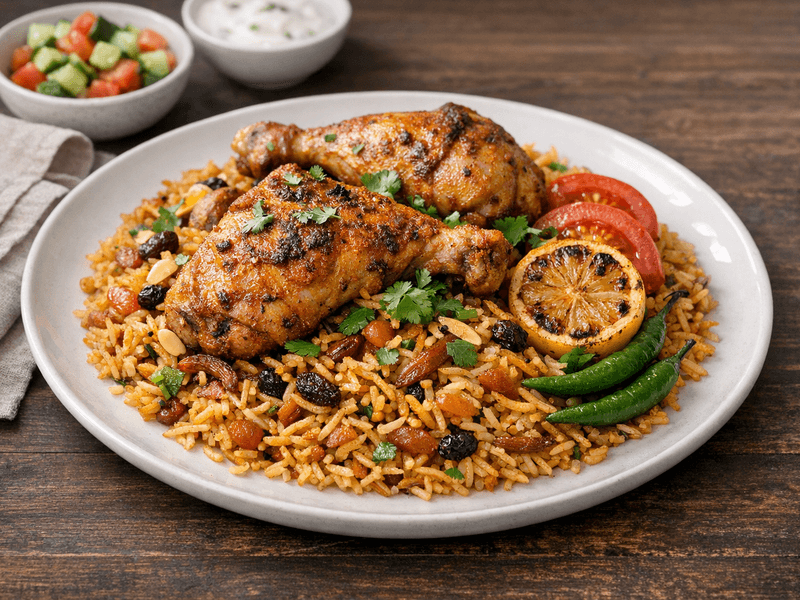
Chicken Machboos
185 kcalqatari
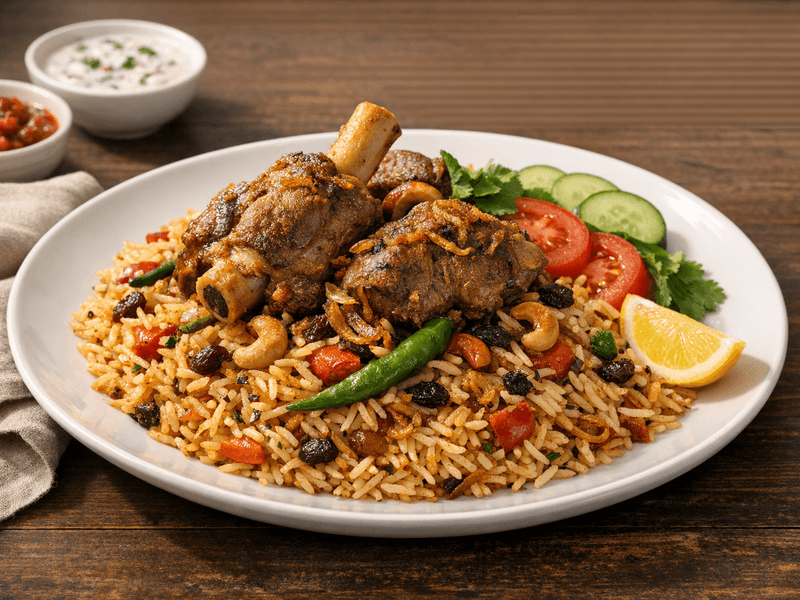
Lamb Machboos
215 kcalqatari
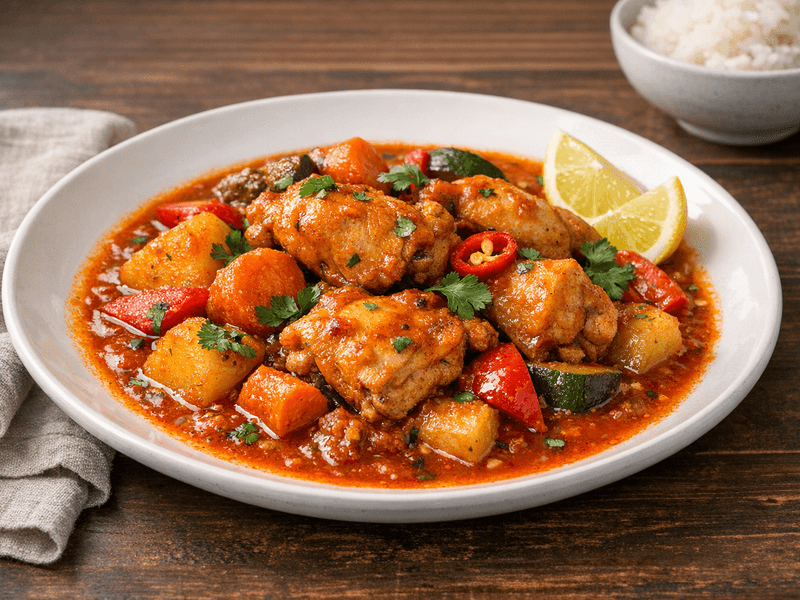
Saloona Chicken
135 kcalqatari
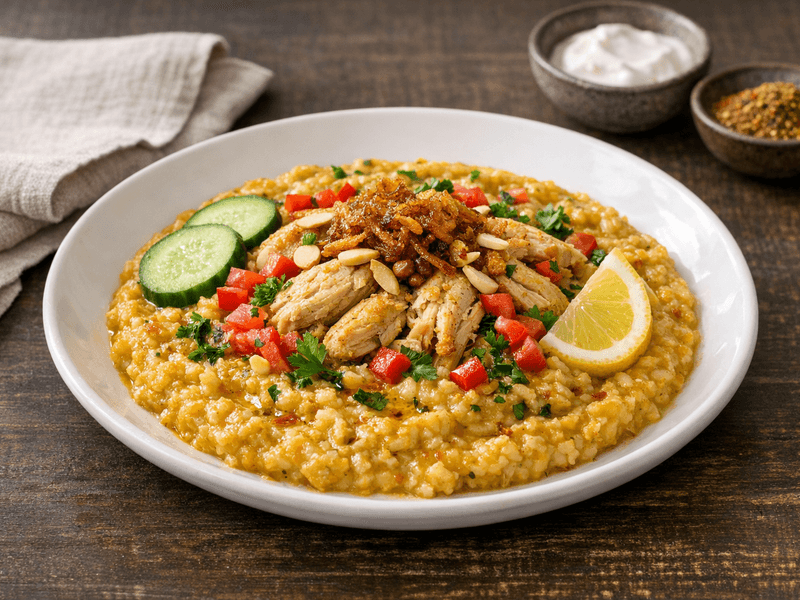
Madrouba Chicken
160 kcalqatari
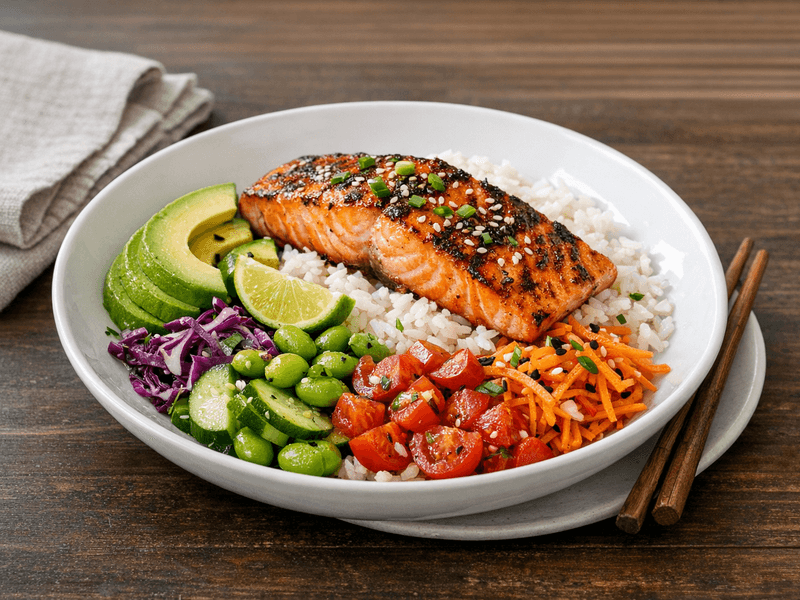
Grilled Salmon Bowl
185 kcalhealthy-qatar
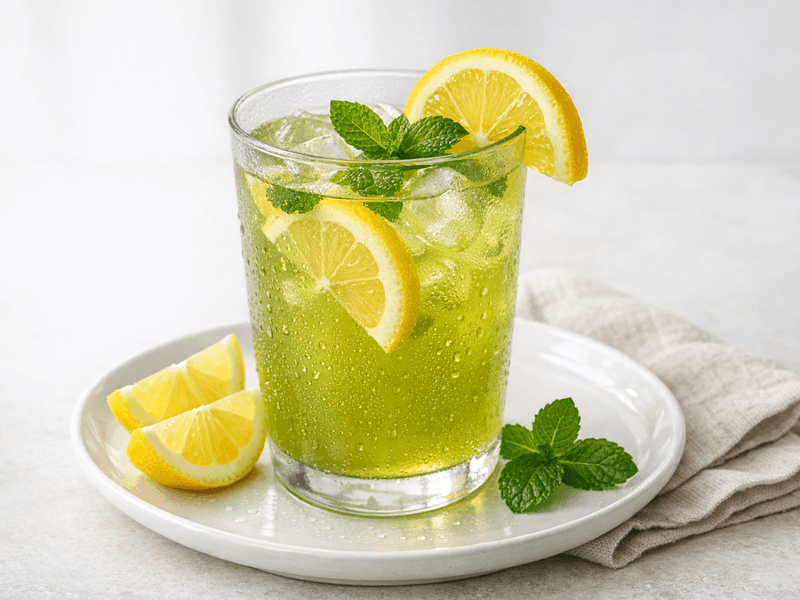
Lemon Mint Juice
90 kcalsweets-drinks-qatar
The Fish Market: Where It All Still Begins
For all of Doha's modern dining, the truest place to understand Qatari seafood is still the fish market. The main wholesale and retail hub is the Doha Central / Al Wakra fish markets, where the morning catch comes in off the boats and the floor fills with crushed ice, the slap of cleaning, and the haggle of the day's price.
How it works, and how to do it like a local:
- Buy by the fish, not the fillet. Gulf fish is sold whole and fresh. Look for clear eyes, bright red gills and firm flesh that springs back.
- Use the cleaning station. After you buy, a separate counter will gut, scale and fillet your fish for a small fee — standard practice, not an upsell.
- Then take it to be cooked. The market's great trick: adjacent grill kitchens will cook your just-bought fish to order — charcoal-grilled, fried or in a sauce — and serve it with rice and salad. You eat the morning's catch within the hour, exactly as a fishing family would have.
- Friday morning is the event. The market is busiest and freshest at the end of the week; it is as much a social ritual as a shopping trip.
It is a straight, unbroken line: a dhow on the water, a basket of hammour and rubyan on the ice, a charcoal grill a few steps away, and a plate of spiced rice. The pearls are gone, but the relationship with the sea that the pearling era built is still, three generations on, what feeds Qatar best.
Frequently Asked Questions
What is the most popular fish in Qatar?
What is machboos rubyan?
What is jasheed?
How is Qatar's pearl-diving history connected to its seafood?
Where can I buy fresh fish in Qatar?
How do Qataris usually cook fish?
What is loomi and why is it in Qatari seafood dishes?
More Articles
Traditional Qatari Cuisine: The Dishes That Define Qatar
A complete guide to traditional Qatari food — machboos, harees, thareed, madrooba, balaleet, ghuzi and saloona — and the Bedouin, Gulf and pearl-diving roots that shaped it, from loomi and baharat to the modern Doha table.
guideMachboos: The Story Behind Qatar's National Dish
Machboos (مكبوس) is Qatar's national dish — fragrant spiced rice layered with chicken, lamb, fish or shrimp, scented with loomi and baharat. Here is its history, the method, the varieties, how it anchors a Qatari gathering, and roughly how many calories sit on the plate.
guideSouq Waqif Food Guide: What to Eat in Doha's Old Market
A local's guide to eating at Souq Waqif (سوق واقف) — Doha's restored old market. Where to find authentic Qatari machboos, Levantine mezze, grilled meats, karak chai, and the best street snacks, plus the must-try dishes and practical tips.